
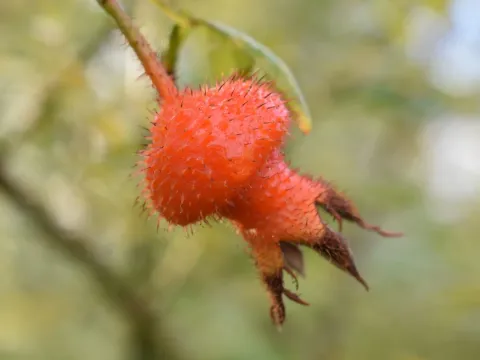
Rosa coryana
Rosa coryana
Rosa coryana belongs to the Rosaceae family. It is a perennial shrub that is predominantly propagated vegetatively via cuttings or root division to ensure the consistency of its varietal characteristics. Early spring or autumn are the optimal times for planting.
What the section contains
Rosa coryana
Propagation by seeds requires a cold stratification period of three to four months to break seed dormancy. Seeds should be sown in well-drained, fertile soil at a depth of 2 to 3 centimeters for best germination results.
Cuttings should be taken from mature, healthy wood during the dormant season. Using rooting hormones can significantly increase the success rate of propagation, especially when environmental conditions are controlled in a greenhouse setting.
Planting density is determined by the intended method of harvest. In commercial plantations, maintaining wide row spacing is essential for mechanical access and to ensure that the plants receive adequate sunlight for optimal growth.
Proper soil preparation, including the incorporation of compost and organic matter into the planting holes, is crucial for establishing a strong root system during the first year of growth.
Rosa coryana thrives in sunny locations protected from strong, drying winds. The soil should be fertile, slightly acidic to neutral, and have excellent drainage to prevent root rot and other water-related diseases.
While the plant is moderately drought-tolerant, consistent moisture is necessary for high fruit yield, particularly during the flowering and fruit-setting stages. Water stress during these periods can significantly reduce the overall harvest.
The plant is well-adapted to temperate climates and requires a dormant winter period. While it is hardy, young plants may need extra protection during exceptionally harsh winters to prevent frost damage to the shoots.
Good agricultural practices include regular weeding and soil aeration in the root zone. Applying mulch helps regulate soil temperature, retain moisture, and suppress the germination of unwanted weeds in the plantation.
A balanced fertilizer regime is recommended: nitrogen-rich fertilizers in early spring to support vegetative growth, followed by phosphorus and potassium applications in late summer to prepare the wood for winter dormancy.
The yield of Rosa coryana depends heavily on the age of the shrubs and the quality of management. The plant typically reaches full production potential by its third or fourth year after planting.
Regular pruning is vital for maintaining high productivity. Removing old, unproductive branches allows the plant to focus its energy on new, vigorous shoots, which are responsible for the majority of the fruit production.
The fruit of Rosa coryana is highly valued for its nutrient content. It is used in the pharmaceutical industry for extracts and in the food industry for high-quality jams, juices, and specialty teas.
Selective harvesting is necessary to ensure that only fully mature fruit is collected. This approach maximizes the quality of the harvested product and minimizes the need for extensive sorting after picking.
Optimal light penetration in the canopy is essential for maximizing yield. Training the shrubs into open shapes allows for better airflow and light exposure, which contributes to overall plant health.
Common diseases affecting Rosa coryana include powdery mildew, rust, and black spot. Prevention through good sanitation, such as removing fallen leaves and pruning infected parts, is the first line of defense.
Pests such as aphids, spider mites, and leaf rollers can impact plant vigor. Monitoring populations regularly is important for timely intervention, whether through biological controls or targeted chemical applications.
Chemical control should be used judiciously, prioritizing environmental safety and adhering to pre-harvest intervals. Integrating biological pest control methods often leads to more sustainable long-term management.
- Routine inspection of leaves and buds
- Pruning of diseased or damaged foliage
- Use of certified pest-control products when thresholds are exceeded
Integrated pest management (IPM) strategies should be implemented to ensure the sustainability of the plantation and to minimize the impact on local pollinators and beneficial insects.
The harvest season for Rosa coryana usually spans late summer to early autumn, depending on local climate conditions. Maturity is indicated by the vibrant color and firmness of the fruit.
Harvesting should be done during dry weather to prevent moisture buildup, which can lead to rapid spoilage. Fruit must be handled with care to avoid skin bruising, which affects quality.
Post-harvest processing should be prompt. Drying the fruit in controlled temperature environments (below 60°C) is essential to preserve the vitamin content and overall quality of the final product.
Due to the thorns, harvesting often requires specialized protective equipment or automated machinery. Efficiency in harvesting is key to reducing labor costs in larger commercial fields.
Following harvest, performing soil maintenance and light winter preparation ensures the plantation remains healthy and productive for the upcoming growing cycle.