
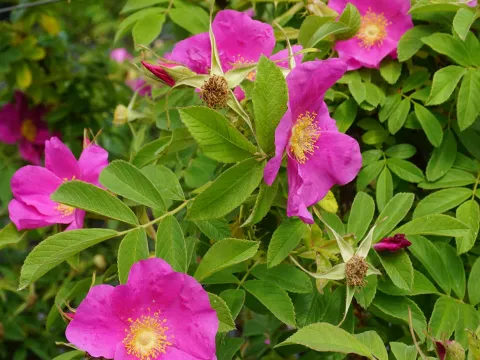
Rosa calocarpa
Rosa calocarpa
Rosa calocarpa is an ornamental hybrid shrub belonging to the Rosaceae family. It is widely recognized for its vigor, resilience, and the impressive display of colorful hips that persist well into the autumn and winter months, providing seasonal interest.
What the section contains
Rosa calocarpa
The plant thrives in full sun, which is essential for both prolific flowering and the development of healthy, hardened canes that can withstand cold winter conditions. Selecting a site with optimal light exposure is the primary factor for successful cultivation.
It adapts to various soil types but performs best in fertile, well-draining loams. While the species is somewhat tolerant of varied pH levels, it benefits significantly from the addition of organic matter to improve soil structure and nutrient content.
Climate tolerance is one of the key assets of this rose. It exhibits significant winter hardiness, allowing it to flourish in diverse temperate climates without the need for intensive protective measures or winter covering typical of more delicate rose varieties.
Landscape utilization primarily focuses on hedging and mass plantings. Due to its dense growth habit and high aesthetic value of its berries, it is a preferred choice for sustainable landscaping projects and informal garden settings.
The primary health concerns for Rosa calocarpa involve fungal infections such as powdery mildew, particularly in environments with stagnant air and high humidity levels. Proper spacing is crucial to allow adequate airflow through the shrub's foliage.
Black spot is another common affliction in wet and cool seasons, leading to premature defoliation. Consistent monitoring and the removal of infected plant debris are standard practices to minimize the inoculum in the garden.
Pest pressures include infestations of aphids, which target tender new growth during the spring, and spider mites. Effective management requires an integrated approach including biological controls or appropriate pesticide applications when necessary.
Proactive care involves maintaining plant vigor through balanced fertilization and correct watering techniques that avoid wetting the foliage. These practices reduce plant stress and make the roses less susceptible to major outbreaks.
- Sanitary pruning of dead or diseased wood.
- Application of mulch to suppress weeds and retain moisture.
- Routine inspection of the underside of leaves for early signs of pests.