
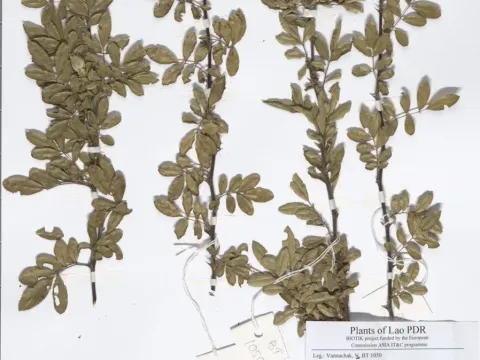
Rosa clinophylla
Rosa clinophylla
Rosa clinophylla is a species belonging to the Rosaceae family. This distinct type of wild rose thrives in its natural habitat in humid environments, frequently appearing along riverbanks, in marshy lowlands, and within dense, moist forests.
What the section contains
Rosa clinophylla
The species originates from the regions of South and Southeast Asia, spanning across India, Bangladesh, and Myanmar. It is biologically adapted to tropical and subtropical climates where high temperatures and significant rainfall occur throughout the majority of the year.
For successful cultivation, the plant requires consistently moist, loamy, or alluvial soils. Unlike many conventional garden rose varieties, this species possesses a low tolerance for drought and demands a constant supply of moisture in the root zone to sustain growth and blooming.
Botanically, the culture presents as a sprawling shrub with elegant, flexible stems. Its leaves are pinnate with a distinct glossy finish, while the flowers, typically white with prominent yellow stamens, appear in small clusters and emit a delicate fragrance.
The agricultural and economic utility of this species is primarily focused on breeding programs. Due to its inherent tolerance for waterlogged conditions and unique genetic profile, it is utilized as a rootstock or a gene donor for developing new rose cultivars capable of thriving in humid tropical environments.
Like many other members of the Rosa genus, this species is susceptible to fungal infections such as powdery mildew and black spot, particularly in environments with poor air circulation or excessive humidity levels.
Typical pests affecting this culture include aphids, spider mites, and various leaf-chewing insects. In its native habitat, the plant is frequently subjected to local species of scale insects and thrips that can compromise the plant's ornamental quality and overall vigor.