
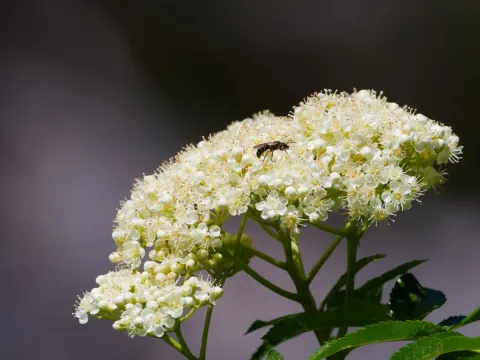
Rocky Mountain mountain ash
Sorbus scopulina
Rocky Mountain mountain ash is typically propagated through seed dispersal or vegetative cuttings. Seeds require a cold stratification period of several months to break dormancy and ensure successful germination in the spring.
What the section contains
Rocky Mountain mountain ash
When sowing seeds, it is recommended to plant them in a well-prepared seedbed during late autumn. This allows the winter cold to naturally facilitate the required biochemical changes within the seeds for sprouting.
Vegetative propagation using semi-hardwood cuttings is an efficient method for clonal reproduction. Cuttings should be taken during the mid-summer months and placed in a humid environment with well-draining rooting medium.
Young plants should be spaced at appropriate intervals to accommodate their mature growth habit. Proper initial placement ensures adequate airflow and light penetration, which are vital for healthy development.
Establishing the plants in their permanent location requires protection from extreme elements during the first season until the root system is fully developed and anchored in the native soil.
Sorbus scopulina is a deciduous shrub belonging to the Rosaceae family. It is native to the western regions of North America, where it typically inhabits rocky slopes, mountain meadows, and stream banks.
The plant thrives in well-drained, slightly acidic to neutral soils. While it can adapt to various soil types, it is imperative to avoid sites with standing water or poor drainage, as the roots are sensitive to waterlogging.
This species is highly cold-hardy, making it an excellent choice for northern landscapes or high-altitude gardens. It is well-adapted to short growing seasons and can endure significant winter temperature fluctuations.
Full sun to partial shade is the ideal lighting condition for optimal vigor. While it possesses some drought tolerance, providing supplemental water during prolonged heat waves will maintain its lush appearance.
Routine maintenance includes pruning to remove dead or diseased wood. This practice not only enhances the plant's aesthetic appeal but also contributes to the longevity of the shrub by preventing rot.
The primary use of the Rocky Mountain mountain ash is ornamental landscaping. Its attractive foliage, white flowers, and vibrant orange-red berries make it a standout choice for naturalized garden settings.
Wildlife value is a significant characteristic of this species. The fruit serves as a vital winter food source for many bird species and small mammals, contributing to local biodiversity.
As a nectar-producing plant, it is beneficial for supporting populations of bees, butterflies, and other essential insect pollinators during the spring and early summer flowering periods.
The berries are visually appealing and persist on the branches well into the autumn, providing aesthetic interest long after other shrubs have dropped their leaves and entered dormancy.
Although not a major commercial fruit crop, the berries are sometimes used in culinary applications or as ornamental additions to floral arrangements, adding a rustic touch to decor.
The shrub is susceptible to common Rosaceae diseases, including leaf spot, rust, and in rare instances, fire blight. Sanitation, such as removing infected leaves, is the most effective management strategy.
Pests such as aphids or leaf-rollers may occasionally infest new growth. Regular scouting helps in identifying these issues early, allowing for targeted and minimally invasive control measures.
Environmental stress can weaken the shrub, making it more prone to secondary infections. Maintaining proper soil moisture and nutrient levels is essential for keeping the plant resilient against pests.
When chemical interventions are necessary, choosing systemic fungicides or insecticides compatible with local environmental guidelines is recommended to protect beneficial garden organisms.
- Maintain high garden hygiene by removing fallen leaves.
- Prune diseased branches immediately to prevent further infection.
- Apply mulch to retain moisture and suppress weed competition.