
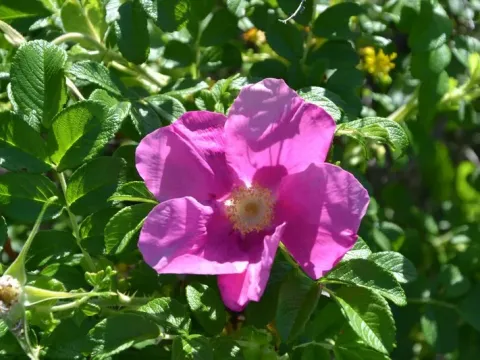
Rosa donetzica
Rosa donetzica
Rosa donetzica is a member of the Rosaceae family, primarily known as a rare endemic species native to the chalk outcrops of the Seversky Donets river basin, representing a unique botanical lineage.
What the section contains
Rosa donetzica
This shrub is biologically adapted to harsh environmental conditions, thriving on steep, eroded slopes where the soil is rich in carbonates and characterized by extreme moisture deficits.
The morphology of the plant is shaped by its need to survive in petrophytic environments; it typically displays a deep, sturdy root system capable of anchoring the shrub into loose, stony substrates.
In terms of light requirements, the species is heliophilous, meaning it demands full sun exposure throughout the day to sustain its metabolic processes and maintain its natural compact habit.
For cultivation purposes, soil drainage is the most critical factor; the substrate must mimic natural chalk conditions, ensuring high aeration and preventing any water accumulation that could damage the roots.
The preservation of this species is challenged by anthropogenic factors, such as landscape fragmentation and the degradation of natural chalk habitats caused by industrial or agricultural expansion.
Like many species in the genus Rosa, this plant can be susceptible to fungal pathogens like powdery mildew and black spot, especially if humidity levels become too high during the growing season.
Insect pests, including aphids and various leaf-feeding larvae, can pose a risk to young shoots, potentially reducing the overall vigour and aesthetic value of the shrub during drought years.
Management of these threats in a cultivated environment involves ensuring proper spacing between plants to facilitate air circulation, which reduces the risk of fungal outbreaks significantly.
Integrated pest management strategies should be prioritized, focusing on cultural practices rather than heavy chemical applications to preserve the ecological integrity of this unique genetic resource.