
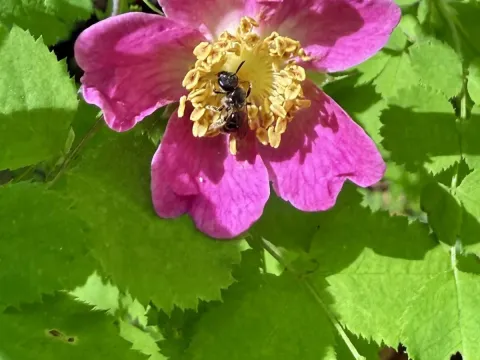
Rosa gymnocarpa
Rosa gymnocarpa
Propagating Rosa gymnocarpa, commonly known as the baldhip rose, is most effectively done via seeds or vegetative methods such as layering and cuttings. Seeds require a mandatory stratification period of 3 to 4 months at low temperatures to break dormancy and ensure successful germination.
What the section contains
Rosa gymnocarpa
Sowing seeds directly outdoors during late autumn is recommended, as this allows the seeds to undergo a natural stratification process throughout the winter. Seeds should be buried no deeper than 1-2 centimeters in well-drained, nutrient-rich soil.
Springtime propagation using semi-hardwood cuttings is a reliable method during the active growth phase. For optimal rooting, maintain high ambient humidity and a soil temperature of approximately 20 degrees Celsius.
Layering is another excellent technique where flexible stems are pinned to the soil to encourage root development at the nodes. This method ensures high survival rates and preserves the unique genetic characteristics of the species.
Transplanting seedlings to their permanent location is best performed in early spring or autumn. Providing adequate spacing is crucial to account for the shrub's natural habit and to ensure proper airflow as the plant matures.
Rosa gymnocarpa is a member of the Rosaceae family, native to the western regions of North America. In its natural habitat, it thrives in forest understories, woodland edges, and moist shaded areas, which dictates its preference for specific environmental conditions.
Unlike many commercial rose varieties, this species demonstrates remarkable shade tolerance. However, for maximum flower production and fruit set, it performs best when exposed to filtered sunlight or morning light.
The plant is moderately demanding regarding soil, preferring loose, well-drained substrates with a neutral to slightly acidic pH. Waterlogging is detrimental to the root system, so proper soil drainage is essential, especially in clay-heavy environments.
Environmental preferences include moderately cool summers and consistent moisture levels. The species is highly cold-hardy, reflecting its origin in mountainous and forest zones where it is adapted to survive varying winter temperatures.
General maintenance includes regular mulching around the base with organic materials to retain soil moisture and regulate ground temperature, protecting the roots during warmer months.
The primary utility of the baldhip rose is ornamental and ecological. Its small, smooth, hairless hips provide a vital food source for local birds and small mammals, making it an excellent candidate for wildlife-friendly gardening.
In traditional practices and herbal studies, the hips are noted for containing Vitamin C and various antioxidants. Fruit yield typically depends on the age of the plant, the presence of pollinators, and adequate moisture levels during the fruit-set period.
The plant is prized for its dainty spring flowers and the decorative autumn display of its small, bright red fruit. These characteristics make it a popular choice for native plant enthusiasts and landscape designers focusing on naturalistic gardens.
To enhance productivity, regular sanitary pruning is necessary to remove dead or diseased branches. This encourages the growth of vigorous new canes, which typically carry the majority of the seasonal blooms and fruit.
A healthy, mature bush can yield significant quantities of fruit, which should be harvested only after they reach full maturity and display a vibrant orange or red coloration.
Common pests affecting Rosa gymnocarpa include aphids, which often colonize new growth and buds early in the season. Management can be achieved through biological control or the application of gentle insecticidal soaps if an outbreak occurs.
Spider mites may become problematic during periods of hot, dry weather, leading to foliage discoloration. Increasing humidity through gentle overhead watering and ensuring the soil remains moist can serve as effective preventative measures.
Powdery mildew is the most prevalent fungal threat, characterized by a white, dusty layer on the foliage. This condition is usually exacerbated by high humidity coupled with poor air circulation within the shrub canopy.
Rose rust can also occur, identified by bright orange pustules on the undersides of leaves. Affected foliage should be promptly removed and destroyed to limit the spread of fungal spores throughout the garden.
Effective disease management relies on maintaining a clean growing area, preventing overcrowding, and ensuring the plant has adequate space for air to circulate, which keeps the foliage dry and healthy.
Harvesting the hips should occur when the fruit is fully ripe, firm, and has achieved its final color. It is imperative to perform harvesting during dry conditions to prevent the fruit from spoiling prematurely during storage.
Immediately after collection, the fruit should be processed or dried to maintain quality. As fresh fruit is highly perishable, drying at temperatures below 50 degrees Celsius is standard to preserve its nutritional content.
Although named "baldhip" (implying a lack of the stinging hairs found in other roses), gardeners should still use protective gloves when working with the shrub, as the stems may still feature small, sharp prickles.
During the sorting process, any damaged, discolored, or pest-affected fruit should be discarded. Quality dried hips should be uniform and free from external impurities to ensure a longer shelf life.
Storage should be conducted in breathable containers, such as paper or cloth bags, kept in a cool, dark, and dry environment. Under these conditions, the hips can remain potent and usable for up to two years.