
Rosa cymosa
Rosa cymosa
Rosa cymosa, commonly known as the cymose rose, is a species of climbing shrub in the Rosaceae family. It is native to Eastern Asia, primarily found in regions of China and Taiwan, where it thrives in forest margins and mountainous areas.
What the section contains
Rosa cymosa
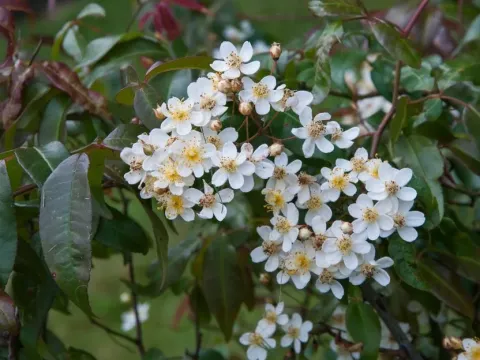
This plant is characterized by its long, flexible stems which make it an excellent climber. The leaves are typically compound, glossy, and evergreen, providing a lush appearance throughout the year. The flowers are small, white, and arranged in dense clusters, which gives the species its distinctive appearance.
In terms of cultivation, Rosa cymosa prefers well-drained, fertile soil with a slightly acidic to neutral pH level. Proper soil preparation is crucial as the plant does not tolerate waterlogged conditions, which can lead to root rot and other physiological disorders.
The climate requirements for this species include plenty of sunlight, which is necessary for vigorous growth and heavy blooming. While it can tolerate partial shade, insufficient light will typically result in leggy growth and fewer flowers during the active season.
Water management is another critical aspect of its care. During the peak growing season, the plant requires consistent moisture, while winter care in temperate regions involves protecting the stems from severe frost to ensure survival and health for the following spring.
Rosa cymosa is primarily utilized in ornamental horticulture and landscape design. Its vigorous growth habit makes it an ideal candidate for covering large walls, trellises, arbors, and fences, where its cascading habit can be fully displayed during the blooming period.
While not a major commercial agricultural crop, the species is occasionally harvested in specific botanical contexts for its secondary metabolites. Research has explored the chemical composition of its extracts for potential applications in traditional medicine and skincare formulations.
Propagation is typically performed through stem cuttings taken from healthy, semi-hardwood growth. Successful propagation requires careful attention to humidity levels and rooting media, ensuring that young plants are established in a controlled environment before moving to their permanent location.
Pruning is essential for maintaining the health and vigor of the plant. After the flowering phase, cutting back old growth helps to promote new shoots for the next season. This practice is also used to prevent the plant from becoming excessively tangled and difficult to manage.
In a landscape setting, regular maintenance involves clearing debris around the base of the plant to improve air circulation. This not only keeps the plant looking tidy but also prevents the accumulation of pathogens that could lead to widespread disease in the garden.
The main disease threat to Rosa cymosa is powdery mildew, which manifests as a white, powdery coating on leaves, particularly in humid or stagnant air conditions. Fungicidal treatments and improved airflow are the primary methods for controlling this infection.
Black spot, caused by the fungus Diplocarpon rosae, is another common concern that can cause severe defoliation if left unmanaged. Affected leaves should be promptly removed and disposed of to prevent the spread of spores to healthy plant tissue.
Pests such as aphids and spider mites can cause significant damage to young shoots and leaves. Monitoring the undersides of leaves is vital for early detection, and the use of insecticidal soaps or horticultural oils can provide effective control without damaging the plant.
Root rot is a major risk in soils with poor drainage. Once established, this condition is often fatal to the plant, emphasizing the importance of site selection and soil amendment before planting to ensure that water never pools around the root system.
Integrated Pest Management (IPM) strategies, which prioritize cultural and biological controls, are highly recommended for the health of Rosa cymosa. By maintaining a vigorous, well-nourished plant, the gardener can reduce the need for chemical intervention.