
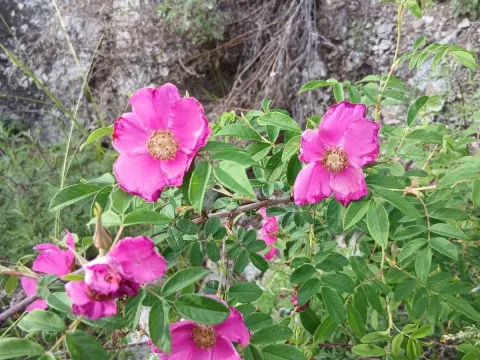
Rosa amblyotis
Rosa amblyotis
Rosa amblyotis, known as the blunt-eared rose, belongs to the Rosaceae family. It is a perennial deciduous shrub native to the Far Eastern regions, where it thrives in diverse habitats ranging from coastal meadows to forest fringes.
What the section contains
Rosa amblyotis
The plant requires fertile, well-drained soils to reach its full productive potential. While it can adapt to various soil types, loamy soils rich in organic matter provide the best results for consistent annual yields of high-quality rose hips.
Environmental requirements include a temperate climate with sufficient moisture during the vegetative growth phase. The species is highly cold-hardy, allowing it to survive extreme winter temperatures common in its native northern ranges.
Standard agrotechnical practices for this species include regular thinning of the canopy. By removing older branches, growers ensure better air circulation and sunlight penetration, which significantly reduces the risk of humidity-related pathogens.
Economically, Rosa amblyotis is primarily cultivated for its fruit, which serves as a potent source of natural vitamins and antioxidants. The pharmaceutical industry utilizes these hips for dietary supplements and various health-promoting medicinal extracts.
The plant is susceptible to common rose diseases, including rust and black spot. These fungal infections are more prevalent in plantations with inadequate spacing, which leads to poor airflow and excessive leaf wetness.
Typical insect pests involve aphids, sawflies, and spider mites. Integrated pest management strategies, focusing on regular monitoring and timely use of environmentally friendly protective agents, are essential for maintaining crop health.
Harvesting is typically carried out once the fruits reach full physiological maturity, signaled by a deep red or orange color. It is critical to perform harvesting during dry weather to ensure better quality of the raw material.
Post-harvest management involves sorting and immediate drying to stabilize the phytochemical components. Using industrial dehydrators at controlled temperatures ensures the final product retains its high content of ascorbic acid and other beneficial compounds.