
Rock lady's mantle
Alchemilla saxatilis
Description
Growing requirements
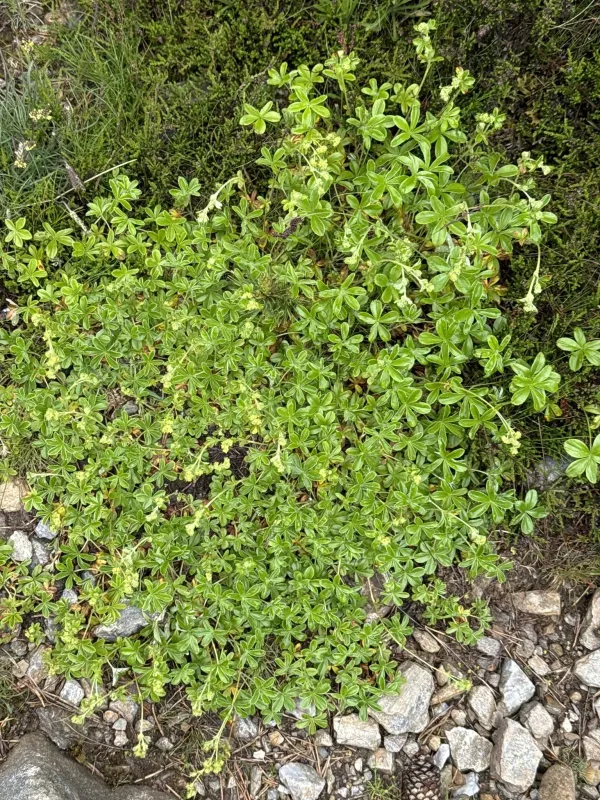
The rock lady's mantle (Alchemilla saxatilis) is a perennial herbaceous plant belonging to the Rosaceae family. It is a compact, alpine species naturally occurring in mountainous regions, making it highly suitable for rock gardens and borders.
Botanically, the plant is characterized by small, palmate-lobed, pubescent leaves that form neat, dense rosettes. Its growth habit is low-spreading, providing excellent ground cover while maintaining a refined aesthetic appearance throughout the season.
Regarding soil requirements, the species demands well-drained conditions. It flourishes in rocky or sandy substrates with neutral to slightly acidic pH levels, reflecting its native habitat in mountain crevices and rocky slopes.
This plant thrives in full sun to partial shade. In alpine regions or cooler climates, full exposure to sunlight helps maintain the plant's structural integrity and characteristic leaf shape, preventing it from becoming leggy.
The agricultural and horticultural utility is primarily decorative. It is highly valued for landscaping, specifically in rock garden designs, crevice planting, and as a low-maintenance edge plant in xeriscaping projects.
Main diseases and pests
Fungal diseases, particularly powdery mildew, represent the primary threat to Alchemilla saxatilis. These pathogens thrive in stagnant air and environments with high humidity around the foliage.
Pests such as aphids or spider mites can occasionally affect the plant during peak summer heat. Monitoring is essential to catch infestations early before they compromise the health of the dense foliage.
Root rot is the most common physiological disorder, usually caused by improper soil drainage. Ensuring that the crown of the plant is not buried too deeply is critical to preventing moisture-related decay.
Over-fertilization can result in weak, succulent growth that is more susceptible to both pest attacks and winter damage. A balanced approach to nutrition is necessary for long-term plant health.
Good air circulation is the best preventative measure against most pathogens. Spacing plants appropriately and avoiding over-watering during the hottest periods of the day helps mitigate the risk of disease outbreak.