
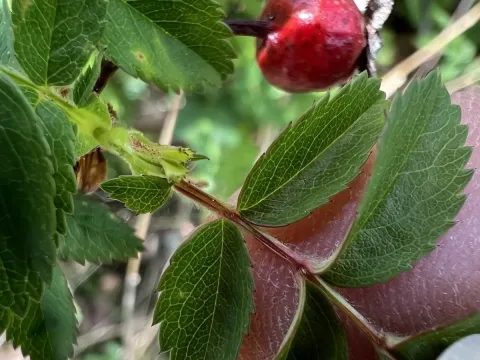
Carolina rose
Rosa carolina
The Carolina rose (Rosa carolina), a member of the Rosaceae family, is a deciduous shrub native to eastern North America. It is highly valued for its ability to naturalize in various environments.
What the section contains
Carolina rose
Propagation is most efficiently achieved through vegetative methods, such as utilizing root suckers or division. Planting containerized nursery stock is feasible throughout the growing season.
When propagating by seed, autumn sowing is recommended to allow for natural stratification, which enhances germination rates during the following spring season.
When selecting a planting site, it is important to allocate sufficient space, as this rose species produces underground runners that lead to the rapid formation of dense thickets.
Optimal planting should be carried out in early spring, allowing the root system to establish itself before the intense heat of the summer months.
Rosa carolina is highly adaptable to various soil types, although it performs best in moist, well-drained loamy soils. It demonstrates a remarkable tolerance for wet conditions.
Regarding climate, this species is exceptionally hardy. It thrives in diverse temperate zones and can withstand significant winter temperatures without specialized protection.
Maintenance includes moderate watering during prolonged dry spells, especially for young plants that have not yet developed a deep, resilient root system.
A balanced fertilizer application in the early spring, coinciding with the initiation of new vegetative growth, supports robust health and profuse blooming.
Annual pruning is essential for maintaining plant health and vigor. Removing dead or congested wood improves air circulation, which is critical for foliage health.
While generally robust, the Carolina rose is susceptible to powdery mildew, particularly when environmental conditions include high humidity and stagnant air around the shrub.
Common pests include aphids and spider mites, which can cause leaf damage and weaken the plant if infestations remain unchecked for extended periods.
Integrated pest management strategies, such as biological control or the timely application of systemic fungicides, are effective in controlling disease outbreaks.
Monitoring the undersides of leaves during the spring and summer allows for early detection of potential insect activity before it reaches economic injury levels.
Good cultural practices, such as proper spacing for airflow and the removal of garden debris, significantly mitigate the risk of pathogen accumulation.