
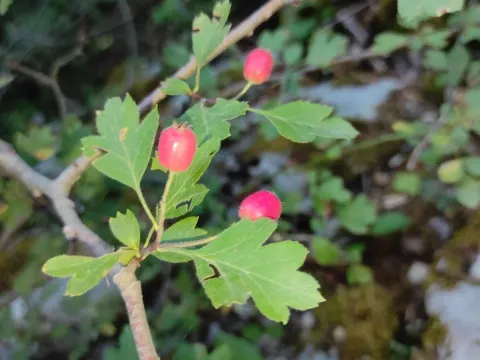
Small-leaved hawthorn
Crataegus microphylla
Sowing of small-leaved hawthorn seeds is typically carried out in autumn directly into the open ground, ensuring natural stratification during the winter period. Spring sowing requires prolonged cold pre-treatment, as the seeds possess deep dormancy.
What the section contains
Small-leaved hawthorn
For propagation, one-year-old seedlings are commonly used, planted in prepared 60x60 cm pits. It is recommended to bury the root collar 3–5 cm deep during planting to promote better rooting and the development of auxiliary roots.
The optimal time for establishing plantations or hedges is early spring before active sap flow begins or in the second half of September. This allows the plant to adapt to soil conditions before the onset of extreme temperatures.
Seed germination is often low, so agronomists recommend using freshly harvested fruits or seeds treated with chemical scarification. Growth stimulants are highly effective in increasing the germination percentage.
Spacing depends on the intended use: 0.5 meters between plants for dense hedges, and at least 3 meters between rows for fruit-bearing orchards to ensure proper crown development.
Small-leaved hawthorn (Crataegus microphylla) belongs to the Rosaceae family and is an undemanding deciduous shrub. This crop is known for its high frost resistance and ability to thrive in temperate climates.
For optimal development, the plant requires a well-lit location, as shade reduces the shrub's aesthetic appeal and significantly lowers fruit yield. Partial side shading during a portion of the day is generally acceptable.
The crop prefers fertile, well-drained loamy soils with a neutral or slightly alkaline pH. Stagnant moisture in the root zone is highly undesirable, as it often triggers root rot.
The plant has moderate soil requirements and can withstand short-term drought, although regular watering during dry periods significantly accelerates annual shoot growth.
Agricultural practice includes mandatory spring sanitary pruning and formative trimming, especially if the shrub is used in landscape design. Hawthorn tolerates frequent pruning well, quickly regenerating its foliage.
Agricultural use of this species focuses on harvesting valuable medicinal raw materials, including fruits and flowers, which are rich in flavonoids and organic acids. Yield depends on the shrub's age and care intensity.
First commercial harvests begin 5–7 years after planting. Full fruit production is typically reached at 10–12 years of age, when the shrub enters its peak vegetative activity.
In industrial settings, a single mature shrub can produce between 5 and 15 kilograms of fruit, depending on the agricultural background. Yield is heavily influenced by weather conditions during the flowering period.
Fruits of Crataegus microphylla are valued for their high pectin and vitamin content, making them highly sought after by the pharmaceutical and food processing industries.
To increase output, growers apply complex mineral fertilizers rich in potassium and phosphorus, which stimulate the formation of fruit buds for the following season.
Major diseases affecting the crop include powdery mildew, which causes leaf deformation, and various rust fungi, which can lead to premature leaf drop and overall plant weakening.
Regarding pests, the hawthorn weevil, whose larvae damage flower buds, and scale insects, which suck juices from young shoots, represent the primary threats to plantation health.
Preventive measures include early spring copper-based fungicide applications and the prompt removal and destruction of fallen leaves, which serve as overwintering sites for pathogen spores.
In cases of severe infestation, systemic insecticides may be used, provided that pre-harvest waiting periods are strictly observed to prevent toxic residues in the final product.
Regular inspection of the crown allows for early detection of pest and disease outbreaks, which significantly facilitates control without the need for heavy pesticide applications.
Harvesting usually takes place in late September or early October, once the fruits have acquired their characteristic bright red color and have softened. It is important to avoid over-ripening, which reduces the shelf life of the berries.
Harvesting is performed by hand, carefully snipping fruit clusters to avoid damaging the shrub's brittle branches. Mechanical harvesting requires prior crown management to facilitate access to the fruiting zones.
Post-harvest, fruits must be sorted to remove debris and damaged items. The raw material should be dried immediately in well-ventilated rooms or specialized dryers at temperatures not exceeding 50 degrees Celsius.
Properly dried fruits can be stored in paper bags or wooden boxes in a dry area for up to 2 years while maintaining their medicinal properties and nutritional value.
Flower harvest occurs at the onset of flowering, when most buds have opened. Flowers are dried in the shade, protected from direct sunlight, to prevent the degradation of volatile active compounds.