
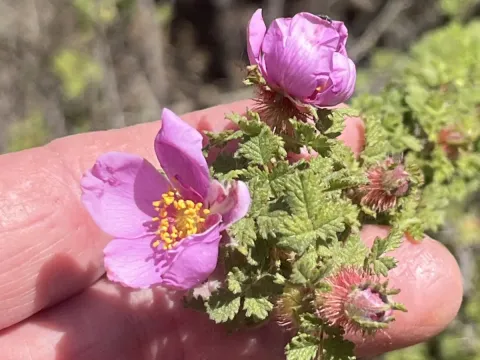
Small-leaf rose
Rosa minutifolia
The small-leaf rose (Rosa minutifolia) is a distinct species belonging to the Rosaceae family. It is recognized as a true xerophyte, having evolved to thrive in arid climates, which makes its cultivation significantly different from traditional garden roses.
What the section contains
Small-leaf rose
This species is native to a limited range, specifically Baja California in Mexico and coastal parts of Southern California, USA. It naturally occurs in chaparral ecosystems where it persists through long, dry summers with very little supplemental moisture.
Botanically, it is a deciduous shrub that usually reaches about one meter in height. Its most notable features include deeply dissected, tiny leaves and stems densely covered in sharp prickles. The flowers are small, typically ranging in color from pale pink to deep rose-purple.
The plant strictly requires well-draining, rocky soils. In agricultural or garden settings, maintaining a substrate that does not retain excess water is essential. Any water stagnation will quickly lead to root rot and loss of the specimen.
Optimal growth is achieved in environments with full sun exposure and a Mediterranean-style climate. The species handles drought remarkably well but struggles in high-humidity areas, especially if temperatures drop while the air remains damp.
Root rot caused by waterlogged soil is the primary threat to Rosa minutifolia. To prevent this, planters must ensure that the soil medium has excellent permeability and strictly avoid over-irrigation practices.
Spider mites are the most common pests, particularly during hot and dry spells. These mites thrive in the same conditions favored by the rose, requiring consistent monitoring of the foliage to prevent severe infestations.
Powdery mildew may occur if the plant is grown in areas with poor ventilation or high humidity fluctuations. Ensuring adequate airflow around the shrub is a key preventive measure against this fungal pathogen.
Aphid attacks on young, tender shoot growth are common during the spring season. Integrated pest management, including the use of horticultural oils or natural predators, is recommended to control these insects without harming the plant.
Given its specialized nature, effective disease and pest control for this species relies heavily on environmental management. Keeping the plant in its preferred dry climate is often the best defense against many biological hazards.