
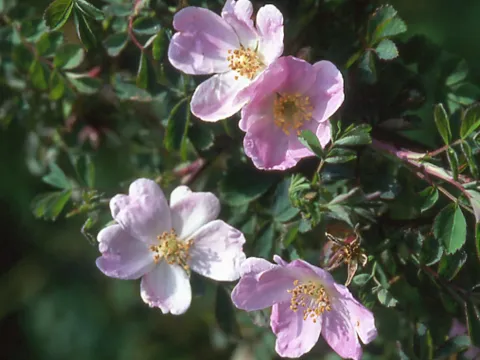
Willmott's rose
Rosa willmottiae
Willmott's rose (Rosa willmottiae) is a deciduous shrub species belonging to the Rosaceae family. Native to western China, this species is naturally found in mountainous regions at high elevations, which contributes to its robust nature and hardiness.
What the section contains
Willmott's rose
The plant thrives in temperate climates, showing excellent resistance to cold temperatures. It prefers open, sunny locations where it can receive sufficient light to produce its characteristic abundant, small pink flowers and attractive hips.
In terms of soil, this species requires well-drained, moderately fertile loam. While it is relatively adaptable, it performs best in soils with a neutral or slightly acidic pH, and it is crucial to avoid heavy soils that retain excessive moisture and lead to root issues.
Cultivation practices involve regular pruning to maintain an attractive form and remove dead or diseased wood. It is also beneficial to apply organic mulch around the base of the plant to retain soil moisture and regulate temperature fluctuations.
Due to its elegant growth habit, Willmott's rose is widely valued in landscape design. It is effectively used in mixed borders, as a decorative hedge, or as a specimen plant, offering year-round visual interest through its foliage, flowers, and ornamental fruits.
Like many species in the genus Rosa, this plant is susceptible to common fungal pathogens, including powdery mildew and black spot. These issues are exacerbated by high humidity and poor air circulation around the shrub.
Common insect pests include aphids and spider mites, which can cause significant damage to foliage and flower buds if left unmonitored. Early detection is essential for successful population control.
Management strategies focus on cultural practices such as spacing plants adequately to improve airflow and preventing water from splashing onto the leaves, which reduces the spread of fungal spores.
When chemical intervention is necessary, gardeners should use approved fungicides and insecticides. It is recommended to choose products that minimize impact on beneficial insects like bees and ladybugs.
Maintaining plant vigor through balanced nutrition and proper watering helps the rose withstand environmental stresses and recover more effectively from minor pest or disease outbreaks during the growing season.