
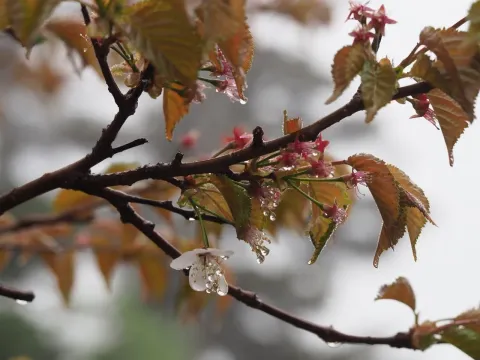
Nippon cherry
Prunus nipponica
The Nippon cherry (Prunus nipponica) is a member of the Rosaceae family, native to Japan. It is known for its extreme hardiness and compact size, often growing as a shrub or a small tree. Its ability to withstand cold climates makes it a desirable plant for temperate regions where other species may struggle to survive.
What the section contains
Nippon cherry
This species thrives in well-drained, slightly acidic soils. It requires a position in full sun to partial shade to bloom effectively. Proper site selection is crucial, as the plant does not tolerate waterlogged soil, which can lead to root rot and other physiological issues common in heavy, clay-based substrates.
Cultivation practices involve regular monitoring of moisture levels, especially during dry spells. Although it is a hardy plant, young specimens require consistent watering to establish a robust root system. Mulching is highly recommended to regulate soil temperature and retain moisture throughout the summer months.
Pruning should be handled with care, focusing on removing crossing branches or dead wood to promote air circulation within the canopy. Since the tree grows slowly, minimal intervention is usually sufficient to maintain its attractive natural shape, which is a major advantage for low-maintenance garden layouts.
In terms of agricultural use, the Nippon cherry is primarily valued as an ornamental specimen. Its delicate flowers and vibrant autumn foliage provide seasonal interest, while its small, edible fruits are often consumed locally or left for birds, making it a valuable addition to ecological and biodiversity-focused gardening.
Common plant health issues include fungal infections like leaf spot and monilinia blossom wilt. Maintaining dry conditions around the foliage and ensuring the tree is not overcrowded helps prevent the spread of spores, which thrive in humid and stagnant environments.
Pest threats to Prunus nipponica primarily involve aphids and mites that infest new growth. Integrated pest management, including the use of neem oil or insecticidal soaps, is effective in keeping these populations under control without harming the beneficial insects in your garden ecosystem.