
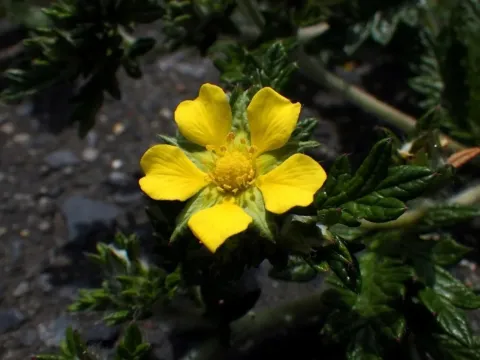
Nippon cinquefoil
Potentilla nipponica
Nippon cinquefoil, scientifically known as Potentilla nipponica, is a perennial shrub belonging to the Rosaceae family. Native to the mountainous regions of Japan, this plant is well-regarded for its compact growth habit and impressive cold tolerance in diverse climates.
What the section contains
Nippon cinquefoil
The culture thrives best in well-drained, sandy or loamy soils that prevent root saturation. It is crucial to maintain proper aeration in the root zone, especially during early stages of development, to ensure healthy canopy formation and vigorous yearly growth.
Exposure to full sunlight is essential for the optimal health of the plant. While it can adapt to light shade, insufficient light typically leads to sparse flowering and reduced plant density, which limits its ornamental value in landscaping projects.
Water requirements for the established plant are relatively low due to its deep and effective root structure. Supplemental watering is only recommended during prolonged heat waves or extreme drought conditions to maintain the aesthetic quality of the foliage.
Economically and horticulturally, this plant is prized for its utility in alpine gardening, rock gardens, and ground cover applications. Its low-maintenance nature makes it an excellent choice for stabilizing slopes and filling gaps in naturalistic landscape designs.
The most common disease threats include fungal infections such as powdery mildew, particularly in environments with poor air circulation. Regular pruning to thin out the inner branches is a standard practice to prevent the build-up of humidity that fuels these pathogens.
Rust diseases may occasionally appear on foliage, especially during seasons with persistent rainfall. If infections are detected, fungicide applications and the immediate removal of infected plant parts are necessary to prevent further spread across the garden plot.
Pests like aphids are common offenders that target fresh, tender growth during the spring months. Integrated pest management, including the introduction of beneficial insects or targeted insecticide spraying, helps manage aphid populations efficiently.
Root rot remains a significant concern, typically linked to soil compaction and waterlogging. Ensuring that the planting site has excellent drainage remains the primary strategy for mitigating risks related to root health and overall plant vitality.
Proactive care involves monitoring the foliage for early signs of stress and maintaining an optimal nutritional balance. Avoiding excessive nitrogen fertilization also helps prevent overly succulent growth, which is more attractive to pests and susceptible to fungal attacks.