
Ninebark
Physocarpus (Cambess.) Maxim.
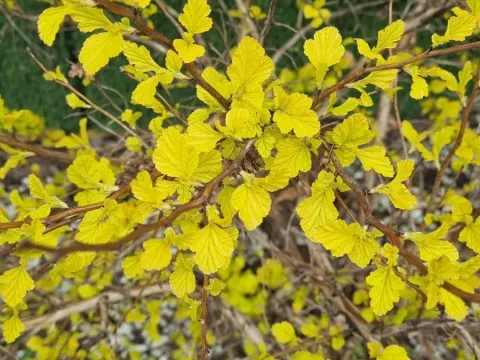
Ninebark (Latin: Physocarpus) is a hardy, deciduous shrub belonging to the Rosaceae family. Native to North America, these plants are naturally found in diverse habitats ranging from dry rocky slopes to moist river banks, showcasing their remarkable adaptability and ecological plasticity.
What the section contains

Ninebark
The shrub is highly valued for its climate resilience, being fully capable of withstanding harsh winters and urban pollution. It thrives in full sun, which is essential for maintaining the deep purple or golden foliage colors found in modern cultivars, although it can tolerate partial shade with reduced leaf vibrancy.
Physocarpus is not overly demanding regarding soil composition but prefers fertile, well-drained loamy soils. It performs best in slightly acidic to neutral environments. Proper drainage is critical, as stagnant water can lead to root rot and other physiological stressors, particularly in heavier clay soils.
Cultivation practices involve consistent watering during the establishment phase and drought periods. Maintenance involves structural pruning to keep the shrub's shape and regular fertilization with balanced nutrients in early spring to support vigorous growth and dense branching throughout the season.
In terms of agricultural and horticultural use, Ninebark is a staple in landscaping. Its rapid growth and tolerance for shearing make it an excellent choice for hedge construction, windbreaks, and mass plantings in both private gardens and public urban infrastructure projects.
The most common disease affecting Ninebark is powdery mildew, which often appears in late summer, especially if the plants are crowded or have poor air circulation. Early intervention with appropriate fungicides is recommended to maintain the plant's aesthetic value and prevent leaf drop.
Insect pests such as aphids can cause localized damage, particularly on new, succulent growth. These pests extract sap and can cause leaf curling. Regular inspection of the underside of leaves and branch tips is necessary to catch infestations before they spread significantly.
Proper pruning is the primary cultural control method for diseases. Removing crowded, crossing, or dead branches improves light penetration and air movement, which significantly reduces the humidity levels required for fungal pathogens to colonize the foliage.
Nutrient imbalances, particularly iron deficiency, can lead to chlorosis, manifesting as yellowing leaves while veins remain green. This is typically corrected by amending the soil with iron chelates or adjusting the pH level to ensure nutrient availability within the root zone.
Maintaining plant health requires a balanced strategy of sanitation and environmental management. By providing adequate space between individuals and ensuring correct soil moisture levels, growers can significantly minimize the need for chemical pesticide interventions.