
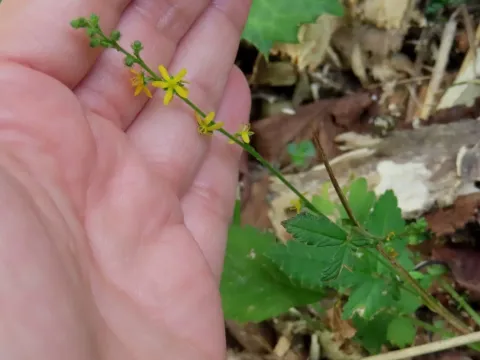
Nippon agrimony
Agrimonia nipponica
Nippon agrimony is best planted in early spring once soil temperatures reach 10 degrees Celsius. Autumn sowing is also an effective strategy, as it exposes seeds to natural dormancy-breaking conditions.
What the section contains
Nippon agrimony
The seeds should be sown in rows spaced approximately 50 centimeters apart. This spacing is crucial for maintaining optimal air circulation and providing enough area for the rosettes to develop fully during the first year.
Sowing depth should be kept shallow, at around 1 to 2 centimeters. Pressing the soil gently after seeding helps to establish good moisture contact, which is vital for the germination of this perennial herb.
Seedlings typically emerge within 2 to 3 weeks under favorable moisture and temperature conditions. Throughout the first season, the plant focuses on establishing a strong root system and a basal leaf rosette.
Consistent row spacing not only aids in growth but also facilitates weed control measures throughout the growing season. Proper plant density ensures that each specimen receives sufficient light and nutrients.
As a member of the Rosaceae family, Agrimonia nipponica prefers fertile, well-draining soils with a near-neutral pH level. It thrives in temperate regions, reflecting its origins in Eastern Asia.
Full sunlight is essential for high-quality production, as it directly influences the concentration of bioactive compounds in the leaves. Shaded conditions will lead to a decrease in medicinal potency.
The crop is known for its hardiness, allowing it to survive through winter in various climates. However, it requires a well-structured soil to avoid the risk of root rot caused by standing water.
Phosphorus and potassium fertilization during the late growth stages helps in the formation of robust flowering stalks. Nitrogen should be applied sparingly, primarily during the early stages of vegetative development.
Routine weeding and inter-row cultivation are necessary to keep the soil structure loose. Aeration of the soil profile is critical to preventing anaerobic conditions that can harm the perennial root system.
Powdery mildew is the most common fungal challenge for this crop, especially in areas with high humidity. Proper field management and spacing are the primary defenses against this pathogen.
Aphids can be problematic during the early vegetative stage. Monitoring for these pests is essential, and interventions should focus on the early detection of insect colonies to prevent major damage.
Root rot occurs if the soil remains excessively saturated, highlighting the importance of field selection and proper drainage systems. Using clean, pathogen-free seed is a mandatory preventive measure.
Crop rotation is vital for long-term field health, and it is recommended not to plant Nippon agrimony on the same site for several years. This prevents the buildup of soil-borne diseases.
Regular monitoring of plant health allows for the early identification of any stress factors. Keeping the site free of alternative host weeds can significantly lower the risk of pest and disease outbreaks.
The harvest phase occurs during peak flowering, which is when the plant reaches its highest medicinal value. Cutting the stems at this specific time ensures optimal content of tannins and other active substances.
Harvesting should be done by cutting the upper aerial parts, leaving at least 10-15 centimeters of the stem above the ground. This practice allows the plant to regenerate effectively for the following year.
Post-harvest, the raw material must be dried rapidly in a shaded, well-ventilated area. High heat or direct sunlight will degrade the delicate эфирные (essential) components that make the plant valuable.
Nippon agrimony has traditional and pharmacological uses as an anti-inflammatory and digestive aid. Strict adherence to drying protocols is essential to maintain the quality required for medicinal markets.
Final processing involves cleaning the dried herb and packaging it in breathable materials to prevent moisture accumulation. Proper storage ensures that the chemical properties remain stable until usage.