
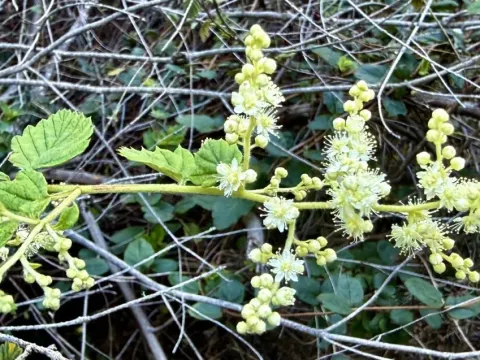
Ocean spray
Holodiscus
Ocean spray, known botanically as Holodiscus, belongs to the family Rosaceae. These deciduous shrubs are native to various regions across the Americas, typically thriving in mountainous terrains, forest edges, and along riverbanks where soil conditions are stable.
What the section contains


Ocean spray
To cultivate Holodiscus successfully, one must provide well-draining, nutrient-rich soil with a neutral to slightly acidic pH. While the shrub is quite adaptable, it reaches its full ornamental potential when planted in full sun to partial shade, allowing the soil to maintain consistent moisture without becoming waterlogged.
The climate requirements for Holodiscus are moderate, as the species is known for its excellent winter hardiness. Gardeners should ensure the site has good airflow to prevent moisture accumulation around the root zone, as poor drainage is the most common cause of failure in this culture.
Agronomic practices for this plant include light structural pruning in early spring to remove dead wood and encourage new growth. This maintenance routine helps sustain the plant’s signature pendulous inflorescences, which resemble delicate plumes and appear during the summer months.
The primary use of Holodiscus is ornamental landscaping, where it serves as an excellent choice for hedgerows or shrub borders. Additionally, its exceptionally hard wood has historically been utilized by indigenous populations for the crafting of specialized tools, arrows, and various household implements.
The health of the plant can be compromised by fungal pathogens such as powdery mildew, especially if the planting density is too high. Proper spacing during the initial planting phase is critical to ensure enough airflow and minimize the risk of foliar infections.
Common pests include aphids, which tend to congregate on tender new growth, and spider mites, which thrive in hot, dry conditions. Gardeners should monitor the leaves for discoloration or webs and intervene with appropriate horticultural oils or soaps if an infestation occurs.