
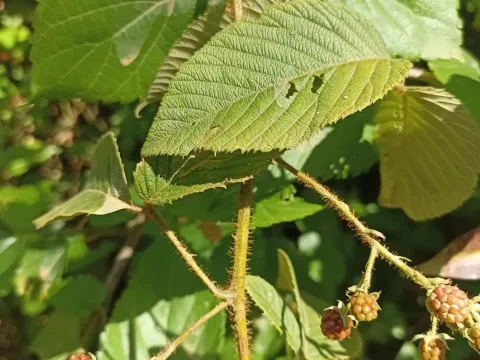
Nettle-leaved bramble
Rubus urticifolius
The Nettle-leaved bramble (Rubus urticifolius) is a perennial shrub species belonging to the Rosaceae family. It is distinct for its serrated leaves that closely resemble those of the stinging nettle, which defines its botanical nomenclature and overall morphology.
What the section contains
Nettle-leaved bramble
Originating from the tropical and subtropical regions of the Americas, this plant is primarily found in mountain ecosystems. It thrives in high-altitude environments where moisture levels are consistent and temperatures remain relatively stable throughout the growing season.
Successful cultivation of this species requires well-draining soil rich in organic matter. Farmers should aim for a soil pH that is slightly acidic, which mimics the natural forest-edge conditions where the plant historically evolved and established its primary populations.
Environmental requirements focus on sufficient atmospheric humidity and shelter from harsh, direct winds. While it is adaptable to partial shade, the plant requires consistent moisture during the fruit-set phase to ensure optimal berry size and chemical composition.
The economic potential of Rubus urticifolius lies in its use as a hardy rootstock or a source of genetic diversity for breeding programs. Local communities utilize the fruit for fresh consumption and processing into jams, valued for their unique flavor profile.
The primary threats to this culture are fungal pathogens such as rust and grey mold, which thrive in stagnant or overly humid conditions. Providing adequate spacing between plants is essential to ensure proper airflow and to mitigate the risks associated with fungal outbreaks.
Pest management is focused on controlling aphids, mites, and various beetles that target the foliage. Implementing a robust monitoring program and early intervention with horticultural oils or biological control agents helps maintain plant health throughout the season.