
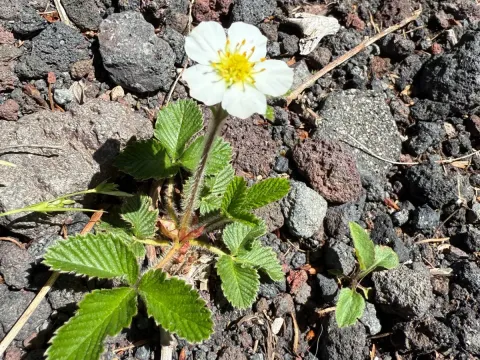
Nippon strawberry
Fragaria nipponica
The Nippon strawberry (Fragaria nipponica) is a herbaceous perennial plant belonging to the Rosaceae family. It is native to the mountainous regions of Japan, specifically the islands of Honshu and Hokkaido, where it thrives in cool, alpine climates.
What the section contains
Nippon strawberry
This species is highly adaptable to cooler environments and demonstrates excellent winter hardiness. It requires well-drained, nutrient-rich soil that is slightly acidic to neutral to ensure optimal vegetative growth and root development.
Planting sites should receive plenty of indirect sunlight or partial shade. Exposure to direct, scorching midday sun can damage the foliage, while full shade may lead to reduced yields and inferior berry quality.
Consistent moisture is crucial for the cultivation of this species. While it demands regular watering, the soil must be well-aerated to prevent waterlogging, which can cause significant root rot issues in the plants.
Cultural practices include the application of organic mulch around the plants. This helps maintain soil moisture, suppress weeds, and regulate soil temperature during the heat of the summer months, creating an ideal microclimate.
While the fruit size is generally small, the Nippon strawberry is prized for its intense flavor profile and aromatic qualities. Productivity is heavily dependent on winter chilling hours and appropriate pollination, making it a unique addition to specialized gardens.
Common plant health threats include powdery mildew and leaf spot infections, often exacerbated by poor air circulation. Pests such as spider mites and aphids are typical adversaries that can impact plant vigor if not monitored through routine inspections.
Harvesting usually takes place during the summer season. The berries should be picked when they reach full color, as they are fragile and do not ripen further once removed from the plant, ensuring the best culinary experience.