
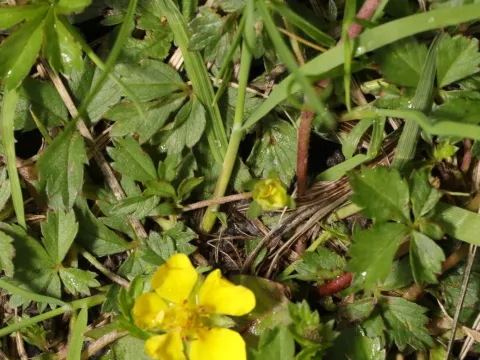
Hybrid cinquefoil
Potentilla mixta
Potentilla mixta, commonly known as hybrid cinquefoil, is a perennial herbaceous plant belonging to the Rosaceae family. It is a robust species characterized by its adaptation to a wide range of grassland environments, often forming dense ground covers in natural meadows.
What the section contains
Hybrid cinquefoil
The botanical structure of the plant features creeping or ascending stems and distinctive palmately compound leaves. These features allow the plant to thrive in competitive environments while maintaining a stable foothold through a branched and resilient root system.
In terms of soil requirements, this species favors well-drained loamy or sandy soils with moderate fertility. While it is adaptable to various conditions, it performs best in regions where moisture levels remain consistent throughout the primary growing season.
Climate plays a significant role in its distribution, as the plant is well-acclimatized to temperate zones. It exhibits strong cold tolerance, enabling it to survive harsh winters and initiate rapid regrowth during the early spring period.
Agriculturally, Potentilla mixta is primarily utilized as a constituent of natural grasslands and pastures. Its role is crucial for biodiversity in forage, contributing to the overall nutritional profile of grazing lands and supporting soil stabilization through its extensive root network.
Like many species within the genus Potentilla, this plant can be susceptible to various fungal pathogens. Powdery mildew is the most prevalent concern, particularly during seasons characterized by high humidity and fluctuating temperatures.
Rust diseases also pose a threat, causing the development of spore pustules on leaves, which reduces the plant's photosynthetic capacity and weakens its vigor over the long term.
Insect pests, including various species of leaf beetles and weevils, frequently target the vegetative tissues. Significant infestations can lead to substantial foliage loss, directly impacting the plant's ability to store energy for subsequent seasons.
In some regions, aphids may colonize the young, tender shoots, causing curling and stunted growth. This damage is most noticeable in the early stages of vegetation following winter dormancy.
Management strategies for these threats center on cultural practices, such as maintaining appropriate stocking densities on pastures to prevent overgrazing and ensuring sufficient airflow to minimize the risk of fungal proliferation.