
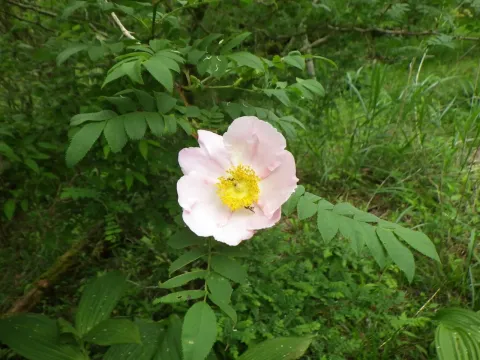
Bristly rose
Rosa hirtula
The Bristly rose (Rosa hirtula) is a unique, deciduous shrub belonging to the Rosaceae family. Native to the mountainous regions of Japan, this species is well-adapted to rocky, high-drainage environments, reflecting its resilience as a wild botanical specimen.
What the section contains
Bristly rose
Botanically, Rosa hirtula is distinguished by its densely bristled young stems and thorns, which serve as a protective mechanism. The leaves are characteristically textured and pinnate, maintaining an aesthetic appeal throughout the growing season, which is highly valued in horticultural applications.
The cultivation requirements for this plant focus on providing full sunlight exposure, as shade can severely limit its growth and flowering performance. It thrives in well-draining, loamy soils that possess a slightly acidic to neutral pH level, mirroring its natural mountain habitat conditions.
Agrotechnical management involves careful soil preparation to prevent waterlogging, which is the primary cause of root failure in this species. While the shrub is relatively hardy, providing a mulch layer around the base can help regulate soil temperature and moisture during extreme climate fluctuations.
The primary horticultural use of Rosa hirtula is in landscape design, specifically for slope stabilization and the creation of ornamental hedge barriers. Its ability to tolerate challenging soil conditions makes it a sustainable choice for decorative planting in low-maintenance garden zones.
Like many species within the Rosa genus, the Bristly rose can be susceptible to common fungal pathogens such as powdery mildew and black spot. Proper site selection to ensure consistent airflow is the most effective preventative measure against these foliage-damaging diseases.
Common pests, including aphids, spider mites, and leaf rollers, may target the tender growth during the spring months. Integrated pest management strategies, such as physical removal of clusters or targeted biological treatments, are recommended to maintain the plant's structural integrity and health.