
Omei rose
Rosa omeiensis
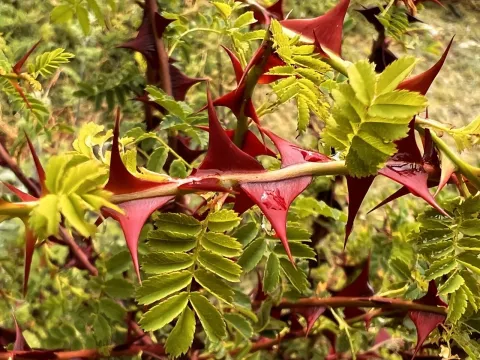
The Omei rose (Rosa omeiensis) is a distinct species within the Rosaceae family, native to the mountainous regions of Western China. It is highly valued in horticulture for its unique botanical profile, featuring large, flattened thorns and delicate, fern-like foliage.
What the section contains
Omei rose
To thrive, this plant requires well-drained, fertile soil that avoids any risk of waterlogging. It performs best in substrates ranging from sandy loams to light clay, provided that the water permeability is high enough to prevent root rot in wetter seasons.
Regarding climate, Rosa omeiensis is remarkably hardy and well-suited for temperate regions with cool summers. It prefers full sun exposure, although it can tolerate partial shade in areas with intense afternoon heat, which helps preserve the quality of its leaves.
Standard horticultural care includes applying a balanced fertilizer in the early spring to promote vigorous vegetative growth. Maintenance of the soil moisture is crucial during the establishment phase, but once mature, the plant displays high resilience to moderate drought conditions.
Pruning should be kept to a minimum, focusing mainly on the removal of dead or crossing branches in early spring. Because this rose produces flowers on the previous year's wood, excessive pruning will severely limit the spring blooming period.
Like many species in the Rosa genus, the Omei rose is susceptible to black spot and powdery mildew, especially in environments with high humidity and poor air circulation. Proper plant spacing is essential to mitigate these risks and ensure the leaves stay dry.
Common pests such as aphids and spider mites can occasionally target the succulent new growth of the plant. These pests are particularly active during dry spells and can significantly stress the shrub if left untreated, leading to stunted shoot development.
Integrated pest management suggests starting with manual removal of infested shoots or using mild insecticidal soaps. Preventive care, such as keeping the base of the shrub free from debris and fallen leaves, helps stop the overwintering of pathogens.
In cases of severe infestation or fungal infection, targeted application of appropriate fungicides or insecticides is recommended. Always prioritize products that are safe for the surrounding environment and beneficial pollinator populations.
A proactive approach to garden hygiene is the most effective defense strategy. By providing optimal growing conditions and monitoring the plant regularly, gardeners can successfully cultivate this rare species with minimal chemical input.