
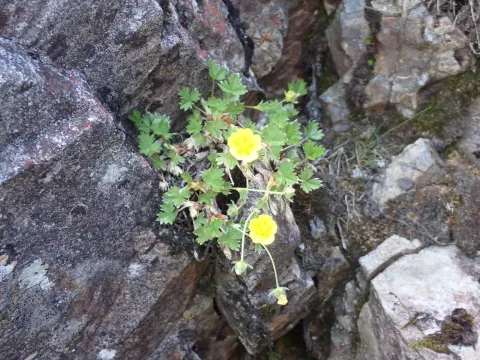
Potentilla matsumurae
Potentilla matsumurae
Potentilla matsumurae is typically propagated via seeds, which benefit significantly from cold stratification to improve germination rates. Sowing can be performed in late autumn directly into the ground or in early spring under controlled nursery conditions.
What the section contains
Potentilla matsumurae
Seeds are surface-sown on a well-draining, gritty medium and should not be covered deeply. Maintaining a cool, bright environment is crucial during the early stages of seedling development to prevent legginess.
Once seedlings have developed a strong root system and two sets of true leaves, they can be transplanted into individual pots. This intermediate stage ensures that the plant is robust enough for permanent outdoor planting.
Vegetative propagation by dividing mature clumps is another viable method. This process is best undertaken in early spring before the onset of new growth, ensuring each segment has a healthy portion of roots.
After dividing, the plants should be kept in a shaded area with consistent moisture until established. Once they show signs of new growth, they can be moved to their final sunny location in the rockery.
As a member of the Rosaceae family, this species is native to the high mountains of Japan. It is perfectly adapted to alpine environments, thriving in full sun and rocky, well-draining soils.
The substrate must be lean and gritty, mimicking the natural scree slopes where the plant originates. Heavy or waterlogged soils are detrimental, as they quickly lead to root rot and loss of vigor.
The plant demonstrates excellent hardiness against freezing temperatures and high winds. It is an ideal candidate for high-altitude garden beds where other more demanding species might fail to survive.
Watering requirements are moderate. During the peak of summer, it is important to prevent the roots from sitting in standing water, while still ensuring they do not dry out completely during prolonged heatwaves.
Low maintenance and high ornamental value make this species a staple for alpine rock gardeners. It requires little fertilization, as it is naturally adapted to survive in nutrient-poor environments.