
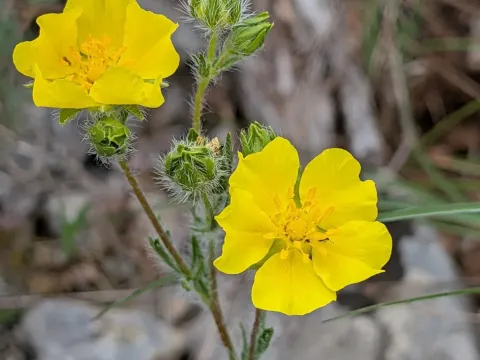
Potentilla hirta
Potentilla hirta
Potentilla hirta, commonly known as rough-fruited cinquefoil, is a perennial herbaceous plant belonging to the Rosaceae family. It is native to the Mediterranean region, typically found in dry meadows, rocky outcrops, and open sun-exposed habitats.
What the section contains
Potentilla hirta
The plant is characterized by its stiff, hairy foliage, which helps reduce transpiration in dry environments. It features a deep taproot, allowing the plant to thrive in nutrient-poor soils where other competitive species might fail to establish themselves.
For successful cultivation, Potentilla hirta requires well-drained soil with a neutral to slightly alkaline pH. It is highly sensitive to waterlogging, so planting on heavy or compacted soils should be avoided at all costs to prevent root decay.
Climate requirements for this species are centered around warm, sunny conditions with a distinct dry season. It demonstrates excellent tolerance to heat and seasonal water shortages, making it a viable candidate for sustainable agricultural projects in semi-arid regions.
Economically, this plant is valued for its phytochemical properties, particularly its high tannin content, which is useful in the pharmaceutical industry. Furthermore, its drought-resistant nature makes it an excellent choice for environmental restoration and landscaping.
Common threats to the crop include fungal diseases, such as powdery mildew, which can occur if planting density is too high or if the microclimate remains excessively humid. Proper spacing is essential to ensure adequate airflow around the plant canopy.
In terms of pests, aphids and spider mites may occasionally infest the plants during prolonged dry spells. Implementing integrated pest management strategies is highly recommended to protect the quality of the harvest while maintaining ecological balance.