
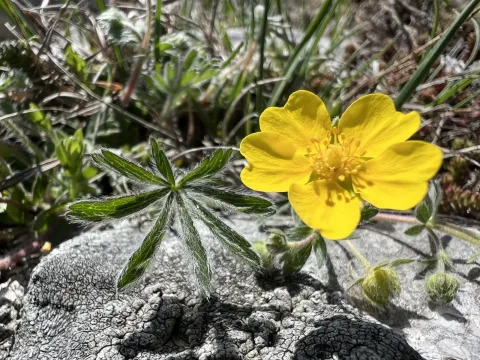
Potentilla heptaphylla
Potentilla heptaphylla
Potentilla heptaphylla, commonly known as seven-leaf cinquefoil, is a member of the Rosaceae family. This perennial herb is naturally adapted to sunny, dry habitats, such as rocky slopes and sandy meadows, demonstrating high ecological resilience.
What the section contains
Potentilla heptaphylla
The plant features a robust taproot system that ensures stability and access to deep-seated water. Its physiological adaptations allow it to thrive in nutrient-poor environments, making it a low-input crop in suitable climatic conditions.
For successful cultivation, well-draining soil is the most important factor. The plant exhibits a strong aversion to waterlogged environments, which can lead to rapid root degradation and increased susceptibility to soil-borne pathogens.
Climatically, this species prefers moderate moisture levels combined with extensive sun exposure. It is highly winter-hardy and can withstand significant temperature fluctuations, typical of continental climate zones.
Standard agricultural practices for this crop focus on soil preparation and light mineral fertilization. Potassium and phosphorus application during the early spring vegetative stage significantly improves both the biomass yield and the quality of the raw material.
Fungal pathogens such as powdery mildew are the primary concern for large-scale plantings. Maintaining proper spacing between rows is essential to facilitate air circulation, which prevents the build-up of excess humidity around the foliage.
Insect pests including aphids and mites can cause localized damage to the leaves. Monitoring programs should be established to identify early infestations, allowing for targeted and efficient pest management strategies.
Root rot, often caused by poor drainage or excessive nitrogen levels, represents a serious threat to crop longevity. Managing soil moisture and pH balance remains the most effective prophylactic measure against these soil-borne threats.
Integrated pest management (IPM) is highly recommended to protect the pharmacological or ornamental value of the harvest. The use of biological controls should always be prioritized over broad-spectrum synthetic pesticides.
Field sanitation is a critical component of disease prevention. Removing debris from the previous growing season helps to break the life cycle of common pathogens, ensuring a healthier environment for the next cycle of growth.