
Potentilla humifusa
Potentilla humifusa
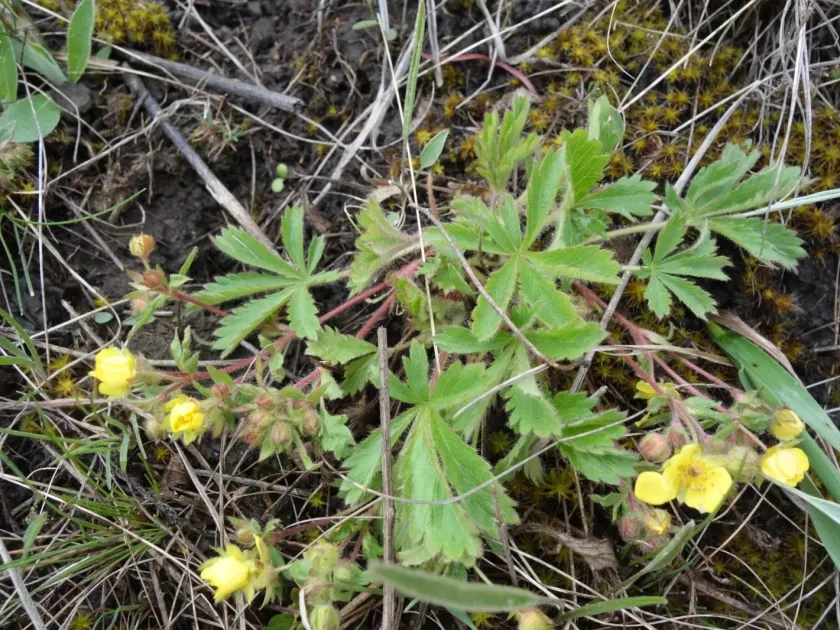
Description
Growing requirements
Potentilla humifusa, belonging to the Rosaceae family, is a perennial herbaceous plant known for its mat-forming growth habit. It originates from the steppe regions of Eurasia, where it thrives in open, sunny environments.
This crop requires well-drained, sandy or gravelly soil conditions to perform optimally. It is particularly sensitive to waterlogging, which necessitates planting on well-aerated slopes or within substrates with low clay content.
As a light-loving plant, it requires full sun exposure to maintain its compact form and vibrant flowering. In shaded conditions, the plant loses its dense growth habit and becomes highly susceptible to physiological stress.
Botanically, the plant is characterized by creeping stems that root at the nodes, forming a ground-hugging rosette. The leaves are palmately compound and covered in fine hairs, an adaptation that helps the plant thrive in xerophytic conditions.
In agricultural and landscaping contexts, it is utilized for soil stabilization on embankments and as a low-maintenance cover crop, as well as for its historical applications in traditional herbal medicine.
Main diseases and pests
The primary threats to this crop involve fungal pathogens such as mildew, which thrive in conditions of high humidity or poor air circulation around the foliage of the plant.
Insects such as aphids and spider mites can infest the crop, especially during hot and dry spells, leading to stunted growth and damage to the leaves if left uncontrolled.
To mitigate disease pressure, it is essential to ensure adequate space between individual plants and to monitor the moisture levels of the topsoil, avoiding overwatering at all costs.
Integrated pest management strategies include the removal of affected plant parts and the application of appropriate biological or chemical treatments during the early stages of infestation.
Maintaining high horticultural standards, such as regular soil testing and site sanitation, significantly reduces the likelihood of outbreaks and ensures the long-term vitality of the plantation.