
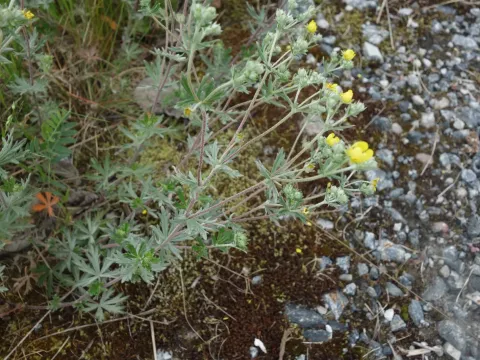
Potentilla neglecta
Potentilla neglecta
Potentilla neglecta is a perennial herbaceous plant belonging to the Rosaceae family. Distributed across temperate regions, this species is well-adapted to varied environmental conditions, often thriving in open habitats that receive substantial sunlight throughout the growing season.
What the section contains
Potentilla neglecta
From a botanical perspective, the plant features a robust rhizome system and erect stems characterized by fine pubescence. The leaves are typically compound, and the inflorescences consist of bright yellow flowers arranged in loose corymbs, which are structurally designed for effective pollination.
The crop is highly resilient and versatile regarding soil types, performing best in well-drained, neutral, or slightly alkaline substrates. Soil aeration is critical for its health, as moisture stagnation can lead to root degradation, particularly during the transition from dormant winter stages to spring growth.
Climate tolerance is a major advantage of this species, as it exhibits high winter hardiness and can endure significant temperature fluctuations. While it tolerates drought periods due to its deep-reaching root system, consistent moisture during the vegetative phase significantly enhances the total biomass yield.
The agricultural and economic utility of Potentilla neglecta lies primarily in the production of herbal extracts for the pharmaceutical industry. Its biochemical profile, rich in tannins and antioxidants, makes it a valuable species for medicinal cultivation and soil conservation practices.
Fungal pathogens such as powdery mildew represent the primary threat to Potentilla neglecta when grown in environments with high humidity and poor air circulation. Proper row spacing is essential to ensure adequate airflow and reduce the incidence of foliar diseases.
Root rot, often caused by pathogens like Phytophthora, can devastate stands if the field drainage is inadequate. Improving the physical structure of the soil and ensuring sufficient drainage are the most effective preventative measures against these soil-borne threats.
Pests including aphids and spider mites may colonize the plants during mid-summer heatwaves. Managing these populations is crucial to prevent the loss of photosynthetic leaf area, which could otherwise lead to a decline in the quality and quantity of the harvested medicinal raw materials.
Integrated pest management (IPM) strategies, including the use of beneficial insects or organic-compliant sprays, are recommended for maintaining plant health in commercial fields. Early detection through field monitoring is the key to preventing large-scale infestations.
- Implementation of wide row spacing
- Strategic use of soil drainage systems
- Regular field monitoring for pests
- Application of biological control agents