
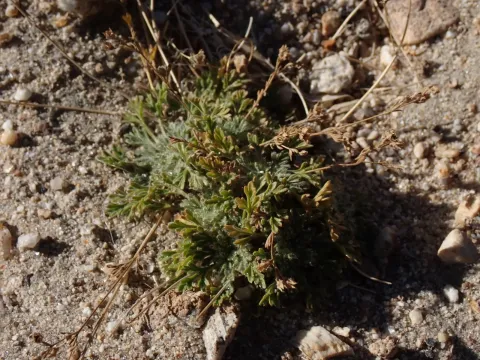
Potentilla multifida
Potentilla multifida
Potentilla multifida, commonly known as branched cinquefoil, belongs to the Rosaceae family. It is a perennial herbaceous plant naturally adapted to harsh environments, including rocky slopes, mountain meadows, and arid steppes.
What the section contains
Potentilla multifida
The plant exhibits remarkable hardiness, being capable of surviving severe winters and extended periods of drought. Its primary habitat typically features well-drained, nutrient-poor soil where other plant species struggle to thrive.
Regarding climatic needs, this species thrives in full sun exposure. It is highly resistant to temperature fluctuations and prefers regions with dry summers and cold, snowy winters, which mimic its natural alpine and steppe origins.
Soil requirements are relatively undemanding; however, the plant performs best in neutral to slightly alkaline, gravelly or sandy loam soils. Proper aeration is crucial to prevent the development of root-related disorders.
In agricultural practice, its role as a forage plant is acknowledged in high-altitude grazing areas, where it provides essential nutritional value during the vegetative season.
Sowing of Potentilla multifida is best performed in early spring. Due to the small size of the seeds, they should be placed near the soil surface to ensure rapid and uniform germination upon moisture availability.
A sowing depth of approximately 1 centimeter is recommended. The seedbed must be finely prepared and firmed after planting to facilitate the contact between the seeds and the soil particles for better water absorption.
While the initial growth rate is slow, the establishment of the root system is robust. Weed control during the first season is essential for the long-term survival and productivity of the stand.
In terms of plant density, seeding rates should be calculated based on the intended use—whether for pasture improvement or erosion control, usually falling between 5 to 10 kg/ha.
No special pre-sowing treatment is usually required for high-quality seeds, though stratification can be beneficial if dormant seeds are suspected to be present.
The species is generally resistant to most common crop diseases. The most significant threat is posed by root rot fungi (such as Pythium or Rhizoctonia) when soil conditions become overly saturated and poorly ventilated.
Foliar diseases, including powdery mildew, can occur under conditions of high humidity and poor airflow. Preventive measures include ensuring proper spacing between plants and maintaining a clean growing area.
Common insect pests include aphids, which may cluster on young shoots during rapid growth phases. In commercial stands, these are typically managed using integrated pest management (IPM) practices.
To ensure healthy plant longevity, rotation and site selection remain the most critical agronomic tools. Avoid planting in low-lying areas where water tends to collect and create a stagnant environment.
Regular monitoring of the stand density and general vigor helps in early detection of potential outbreaks, allowing for timely intervention before economic damage occurs.