
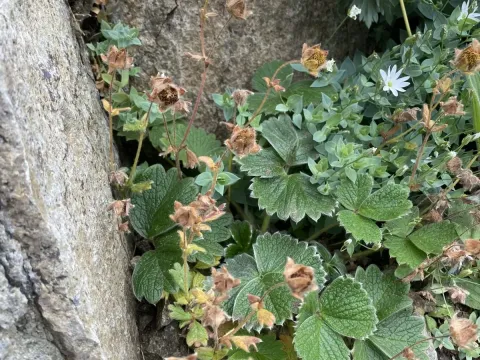
Potentilla megalantha
Potentilla megalantha
Potentilla megalantha is a hardy herbaceous perennial of the Rosaceae family, typically propagated by seed or division of mature rootstocks. Seeds should ideally be sown in the autumn to undergo natural cold stratification, which significantly improves germination rates in the spring.
What the section contains
Potentilla megalantha
When starting indoors, sowing should occur in late winter or early spring using a well-draining, sterile seed-starting mix. The seeds require light to germinate, so they should be only lightly pressed into the soil surface rather than buried deep.
Seedlings should be pricked out when the first true leaves appear, ensuring they are placed in individual pots to develop a robust root system. Growth is generally slow in the initial stages, necessitating careful attention to environmental stability.
Transplanting into the permanent location is best performed once the danger of frost has passed in spring or during the cooler temperatures of early autumn. This timing allows the plants to establish before the onset of extreme weather.
Spacing is a critical factor in agricultural management, with 30–40 centimeters between plants being the standard requirement. Proper spacing prevents overcrowding, facilitates air movement, and reduces the risk of moisture accumulation.
This crop thrives in full sun, which is essential for maximizing flower production and maintaining a compact growth habit. While it may tolerate partial shade, productivity often decreases in lower light levels.
The soil should be fertile, loose, and possess excellent drainage characteristics. Potentilla megalantha is highly sensitive to waterlogged conditions, which can lead to root rot; therefore, sandy or gritty soil amendments are recommended in heavy soils.
Temperature resilience is a hallmark of this species, as it is adapted to cold climates and does not require winter protection. It remains dormant during the winter months and begins growth as soon as soil temperatures rise in spring.
Cultural practices include consistent, moderate irrigation, particularly during prolonged dry spells. However, the soil must be allowed to dry slightly between waterings to maintain a healthy oxygen-to-moisture balance for the roots.
Weed control and soil aeration are vital, especially during the first year of establishment. Mulching with inorganic materials like gravel can help suppress weeds and keep the foliage away from direct contact with wet soil.
Fungal pathogens are the most significant threat to plant health, particularly powdery mildew and leaf spots. These conditions are exacerbated by poor ventilation, high humidity, and overhead irrigation, which should be avoided.
Effective management includes the removal and destruction of infected plant tissue to prevent the spread of spores. Fungicidal treatments should be employed judiciously only when cultural controls are insufficient to manage outbreaks.
Pests such as spider mites and various leaf-feeding larvae may occasionally infest the plants. Integrated Pest Management (IPM) strategies, including the use of botanical insecticides or soap sprays, are generally effective in managing these populations.
Root rot caused by Phytophthora or Pythium species is a fatal disease linked to poor drainage. Ensuring the planting site has a slight slope or improved sub-soil drainage is the most effective preventative measure against these soil-borne diseases.
Frequent scouting for signs of chlorosis, wilting, or unnatural spots on the foliage allows for early intervention. Maintaining plant vigor through balanced nutrition and proper site selection is the foundation of successful disease resistance.