
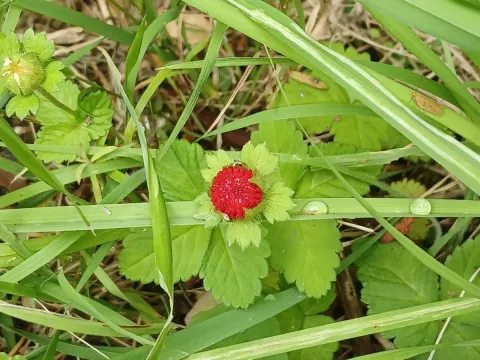
Potentilla indica
Potentilla indica
Potentilla indica reproduces readily through both seeds and vegetative propagation using stolons, which are runners that take root easily.
What the section contains
Potentilla indica
Seeds can be sown in early spring; stratification for a few weeks significantly enhances germination rates when sowing directly into the soil.
Vegetative propagation via daughter rosettes is the most common and efficient method for gardeners to establish new patches of this species.
Transplanting rooted rosettes is best performed in late summer or early autumn to allow the root system to establish before the ground freezes.
Space the plants approximately 30 to 40 centimeters apart, as the species is an aggressive grower and will quickly cover the available surface area.
Belonging to the Rosaceae family, Potentilla indica is a perennial herbaceous plant native to Southeast and East Asia, known for its creeping nature.
The plant thrives in partial shade but adapts well to full sun exposure, provided that the soil moisture levels are consistently maintained.
It prefers fertile, well-draining loamy soils but is generally tolerant of various soil conditions, including those with slightly acidic pH levels.
Consistent irrigation is critical for maintaining healthy foliage, particularly during dry spells, as the plant does not tolerate prolonged drought.
While relatively hardy, applying a layer of organic mulch around the plants helps protect the crowns from extreme cold in colder climate zones.
Potentilla indica is notably resistant to many of the common fungal diseases that typically affect cultivated strawberries, such as leaf spot and verticillium wilt.
Excessive humidity and poor air circulation can occasionally lead to gray mold, especially if the fruit sits in constant contact with wet soil.
Pests like aphids and spider mites can occasionally affect the plant in hot, dry conditions, causing leaf discoloration and reduced vigor.
Managing the plant density through thinning and ensuring proper drainage are effective preventative measures against both pests and fungal issues.
Integrated pest management, focusing on biological controls rather than harsh chemicals, is recommended to keep the plant healthy and safe for pollinators.