
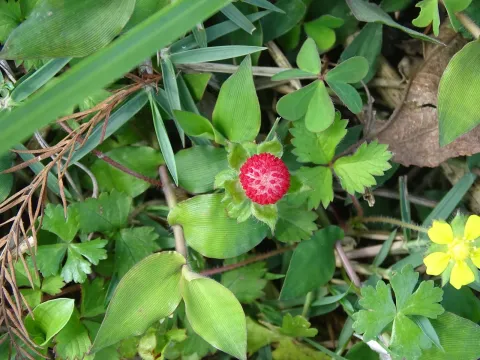
Potentilla hebiichigo
Potentilla hebiichigo
Sowing Potentilla hebiichigo is best performed in early spring once soil temperatures reach 10-12 degrees Celsius. Seeds require a stratification period of approximately 30 to 45 days in cold conditions to ensure successful germination.
What the section contains
Potentilla hebiichigo
For a controlled environment, indoor seeding in late winter is recommended. Containers should be kept under bright light, and seedlings must be pricked out after the development of the first two true leaves.
When sowing directly into the field, seeds should be placed at a depth of no more than 0.5 centimeters. Maintaining consistent surface moisture is crucial during the early stages of development as the sprouts are delicate.
Proper spacing is vital for the health of the plants, with a recommended distance of at least 25-30 centimeters between specimens. This allows for adequate root expansion and prevents the overcrowding of foliage.
In regions with milder winters, fall sowing can be attempted to utilize natural seasonal cycles for stratification. However, spring planting remains the standard for maximizing survival rates in colder climates.
Potentilla hebiichigo, a member of the Rosaceae family, thrives in open, sunny locations where it can express its full decorative potential. It is a hardy species suited to varied temperate environments.
The plant performs best in fertile, well-draining soils with a neutral or slightly acidic pH. Incorporating organic matter such as compost or peat can improve the texture and nutrient retention of the soil.
Water requirements are moderate, focusing on consistency rather than quantity. While the plant is relatively resilient, it cannot tolerate waterlogged soils, which may cause root rot and systemic decay.
Regular fertilization with balanced NPK formulas during the active growth phase supports vigorous development. Potassium and phosphorus are particularly important for enhancing flowering and winter endurance.
Winter hardiness is a notable trait of this species. In areas subject to harsh, snowless winters, applying a layer of organic mulch around the base will protect the roots from extreme temperature fluctuations.
Powdery mildew represents the primary pathological threat to this species, characterized by white fungal patches on leaves. Management involves proper spacing to improve airflow and the use of approved fungicides.
Root rot occurs primarily due to poor drainage or overwatering. Preventing this issue requires careful site selection and the avoidance of heavy soil compaction, which hinders water movement away from roots.
Common agricultural pests, including aphids and spider mites, may attack the plant, especially during prolonged dry spells. Biological control methods or targeted acaricides are effective in maintaining pest populations below economic thresholds.
Leaf-eating insects can occasionally damage the foliage, negatively impacting the plant's aesthetic value. Early detection and mechanical removal are often sufficient to manage these infestations in smaller garden settings.
Strengthening the plant's natural defenses through proper nutritional management and growth stimulants significantly increases resistance. A healthy plant is inherently more capable of recovering from pest pressure and disease.