
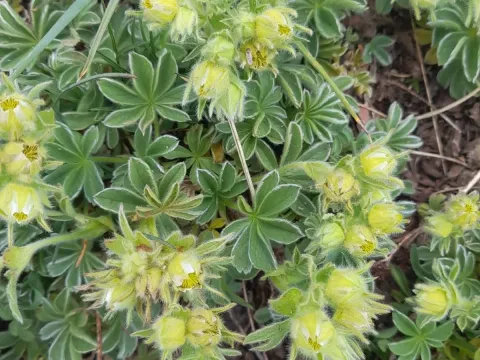
Potentilla nivalis
Potentilla nivalis
Potentilla nivalis, commonly known as snow cinquefoil, is a perennial herbaceous plant belonging to the Rosaceae family. Its natural distribution is confined to high-altitude mountain ranges in Europe, specifically thriving in rocky and alpine meadows.
What the section contains
Potentilla nivalis
The plant is characterized by its compact habit and silver-hued foliage, covered in fine trichomes. This unique structure serves as an adaptation to minimize transpiration and provide protection against intense radiation in high-altitude environments.
Regarding soil requirements, Potentilla nivalis demands excellent drainage and a mineral-rich substrate. It is highly intolerant of waterlogged soil, which typically leads to root rot and immediate decline in plant health.
Climatic requirements for this species are centered on cool, well-ventilated conditions with ample sunlight. It is an extremely hardy plant capable of surviving cold winters, provided that the growing medium remains well-drained during the dormant phase.
In terms of хозяйственное usage, it is primarily valued for rock gardening and specialized landscape design. As a hardy perennial, it requires minimal maintenance once established, making it a sustainable choice for decorative alpine landscape projects.
The most significant threat to Potentilla nivalis is root rot, typically caused by poor drainage or overwatering. Proper placement in gravelly soil is the primary preventive measure against this physiological disorder.
Pests such as spider mites can infest the foliage during hot and dry summer spells. Horticultural practitioners should monitor the undersides of leaves and apply appropriate acaricides if an infestation is confirmed.
Powdery mildew is a secondary concern that may emerge in damp, stagnant air environments. Increasing air circulation and ensuring the foliage remains dry during irrigation helps to mitigate the risk of fungal spread.
Occasionally, small soil-dwelling insects may cause mechanical damage to the roots. Maintaining a layer of coarse mulch around the plant base is recommended to discourage such pests and provide additional protection.
To ensure long-term health, growers must practice rigorous sanitation by removing dead foliage each spring. This practice reduces the available substrate for potential fungal pathogens to colonize during the transition from winter to spring.