
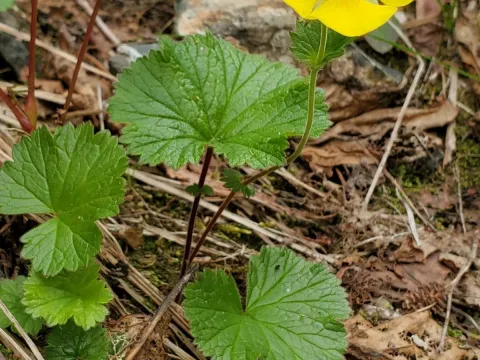
Geum calthifolium
Geum calthifolium
Geum calthifolium, commonly known as the Caltha-leaved avens, is a perennial herbaceous plant belonging to the Rosaceae family. It is native to the northern Pacific regions, including Alaska and the Russian Far East, where it thrives in moist, rocky, and alpine environments.
What the section contains
Geum calthifolium
The plant is defined by its basal rosette of rounded, serrated leaves and attractive yellow flowers that emerge on slender stems. Its botanical structure is highly adapted to cooler climates, allowing it to maintain a dense, low-growing habit that is characteristic of arctic and subarctic flora.
Successful cultivation requires a location with well-draining, moisture-retentive soil, preferably rich in organic matter. While it prefers consistent moisture, it must be protected from standing water, which is critical to preventing root rot, especially during the dormant winter months.
In terms of climate requirements, this species favors cool temperatures and bright, indirect light. In garden settings, it performs best when located in areas that mimic its natural alpine habitat, such as rock gardens or northern-facing borders where the ground remains relatively cool.
As a landscape plant, it serves as an excellent ground cover for alpine beds and gravel gardens. Its ability to create a dense vegetative mat, combined with its cheerful yellow blooms, makes it a highly regarded choice for enthusiasts of cold-climate gardening.
The primary threats to Geum calthifolium in cultivation are moisture-related pathogens, specifically root and crown rots. These diseases typically manifest when the soil drainage is inadequate, leading to suffocated roots and rapid plant decline.
Leaf-feeding insects and aphids can pose localized problems during warm, dry spells. Monitoring the underside of the foliage for early signs of infestation is essential for maintaining plant vigor and preventing large-scale outbreaks.
Powdery mildew may occur if the planting site lacks sufficient air circulation. It is recommended to provide adequate spacing between specimens to ensure that leaves dry quickly after rainfall or irrigation, which is the most effective way to prevent fungal spore germination.
For long-term health, regular removal of withered leaves and old growth is recommended. This sanitation practice helps reduce the overwintering capacity of pests and fungal pathogens within the plant's dense foliage structure.
Environmental stress, such as extreme heat or prolonged drought, can significantly weaken the plant's resistance. Applying a thin layer of organic mulch can help regulate soil temperature and conserve moisture, protecting the plant from these adverse conditions.