
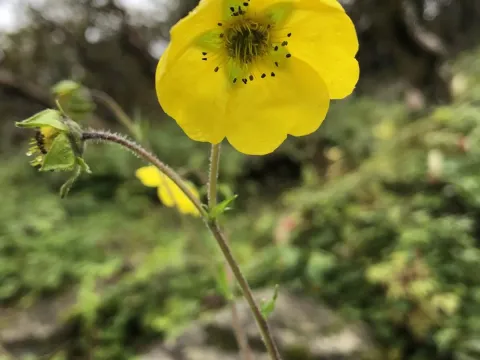
Geum elatum
Geum elatum
Geum elatum seeds are ideally sown in late autumn, allowing for a cold stratification period which is essential for ensuring high germination rates in the spring.
What the section contains
Geum elatum
When starting indoors, seeds should be sown in a sterile potting mix around late winter, ensuring they receive enough light for healthy initial growth.
Transplanting seedlings to the field requires a well-prepared bed, with plants spaced at least 30-40 cm apart to allow for proper airflow and root development.
Incorporating compost during the soil preparation phase helps establish the plant quickly and promotes stronger growth during the first year of cultivation.
For established clumps, division can be performed in the early spring, ensuring that each division has a healthy portion of the root system and buds.
Geum elatum belongs to the Rosaceae family and is known for its hardiness and ability to thrive in a variety of mountainous and temperate landscapes.
The plant prefers full sun to partial shade, where it can develop robust foliage and vibrant flowers, provided it receives enough moisture.
Well-drained soil is a critical requirement, as the plant does not tolerate waterlogging, which often leads to root rot and other physiological stressors.
It thrives in moderate climates, demonstrating significant cold tolerance, which makes it a reliable choice for regions with long or severe winter seasons.
Regular weeding around the base of the plant is necessary to minimize competition for nutrients and water, especially during the establishment phase.
Common issues affecting Geum elatum include fungal infections such as powdery mildew, which often occur during seasons with high humidity and poor ventilation.
Aphids and various mite species can occasionally infest the plant, potentially causing stunting if populations are not managed in a timely manner.
Implementing a proper crop rotation strategy helps to reduce the build-up of soil-borne pathogens and keeps the planting area healthy over multiple seasons.
Integrated pest management, focusing on biological controls and organic solutions, is preferred to maintain the quality of the harvested medicinal material.
Diligent monitoring of the plants allows for the early detection of pests, preventing them from spreading across the field and damaging the entire crop.
The foliage and flowers are typically harvested when the plant is in full bloom, which is the period when secondary metabolites are most concentrated.
Roots should be harvested in late autumn, once the plant has begun its dormancy phase and the concentration of active compounds is at its peak.
Once harvested, the plant parts should be cleaned and processed immediately to avoid oxidation or potential microbial contamination before drying.
Drying is performed in a clean, ventilated area out of direct sunlight, ensuring temperatures do not exceed the threshold that damages delicate oils.
Proper storage in airtight or paper containers in a cool, dry place is essential to preserve the efficacy and quality of the medicinal product.