
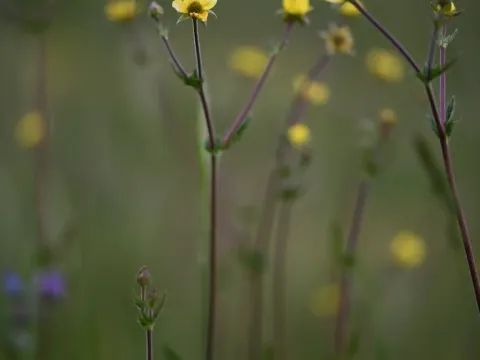
Geum hispidum
Geum hispidum
Geum hispidum, known as rough avens, is a member of the Rosaceae family. This perennial herb originates from Southern and Central Europe, where it has evolved to thrive in diverse meadow and forest-margin habitats.
What the section contains
Geum hispidum
The crop requires well-drained, nutrient-rich soils to reach its full growth potential. While it adapts to various soil textures, it shows the highest productivity in loamy soils that maintain moisture without becoming waterlogged.
Environmental requirements include a temperate climate with reliable rainfall during the spring and summer periods. The plant is remarkably hardy and can withstand low winter temperatures, making it a reliable perennial choice for various geographical regions.
Botanically, Geum hispidum is distinguished by its bristly hairs on stems and leaves, which serve as a protective mechanism. It develops a basal rosette of leaves and produces upright flowering stalks that typically bloom in the mid-summer season.
Agriculturally, this species is utilized both for ornamental landscaping and for its potential extractable compounds. Its rhizomes are historically recognized for containing tannins, which have various applications in herbal medicine and organic product development.
Powdery mildew represents the primary fungal threat to this crop, particularly during periods of high humidity and poor air circulation. Proper spacing between plants is essential to reduce the spread of fungal spores across the field.
Root rot, associated with stagnant moisture, is a significant risk that can destroy the root system of mature plants. Implementing effective surface and sub-surface drainage systems is a standard preventive measure in professional crop management.
Insect pests, including aphids and leaf-eating beetles, can cause localized damage to the foliage and buds. Integrated pest management (IPM) strategies, including the introduction of beneficial insects, are highly recommended to keep populations below economic thresholds.
Nematodes in the soil can potentially impact the plant’s health by damaging roots, leading to reduced vigor and poor development. Crop rotation with non-host species is an effective cultural practice to disrupt the life cycle of these soil-borne pests.
Effective management also requires monitoring for signs of wilt and yellowing leaves, which often indicate stress. Maintaining soil fertility through balanced fertilization and pH control remains the best defense against many biological pressures.