
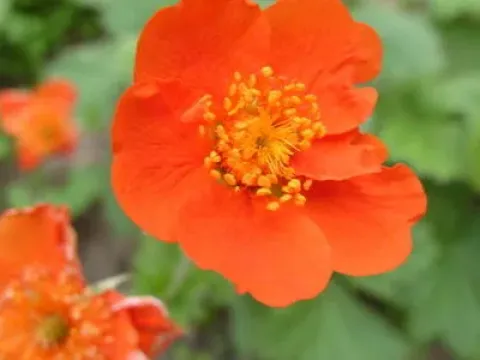
Geum chiloense
Geum chiloense
Sowing Geum chiloense seeds indoors should be done in late February or early March to ensure plants bloom in their first season. Seeds require a steady temperature of 18–20 degrees Celsius to germinate successfully.
What the section contains
Geum chiloense
Direct outdoor sowing is recommended in late spring, specifically from late April to mid-May, once the risk of frost has passed. Seeds should be sown shallowly, as they need a bit of light to germinate effectively.
Vegetative propagation is achieved by dividing mature clumps in either early spring or late autumn. This technique preserves the specific traits of the cultivar and ensures that the new plantlets have a robust root system.
Seedlings need to be pricked out when the first true leaves appear, providing them with individual space in containers. Careful handling of the roots during transplanting is essential to avoid transplant shock and ensure steady growth.
To establish a healthy population, seedlings should be spaced 30–40 centimeters apart. Proper spacing allows for adequate air circulation, which is critical for preventing fungal diseases in dense perennial flower beds.
Geum chiloense thrives best in full sun, although it can tolerate light shade in hotter climates. Adequate exposure to sunlight is essential for producing the most vibrant blooms and keeping the foliage compact and healthy.
The plant requires well-drained, fertile soil to prevent root issues. Heavy clay soils should be amended with organic matter or gravel to improve drainage, as the species is highly sensitive to waterlogged conditions.
Maintaining consistent soil moisture is important throughout the growing season. While the plant can tolerate short periods of drought, regular watering is necessary for optimal flowering performance and lush foliage.
Applying a balanced fertilizer in early spring boosts overall growth and vitality. An additional dose of liquid fertilizer before the main bloom period can help increase the quantity and longevity of the flowers.
Mulching the base of the plant with organic compost helps to suppress weeds and maintain soil moisture. This practice also provides a slow-release source of nutrients that sustains the plant throughout the hot summer months.
Root rot is the most common threat, usually caused by overwatering or poor soil drainage. If symptoms appear, it is vital to improve drainage immediately and use appropriate fungicides to treat the soil environment.
Powdery mildew can affect leaves during periods of high humidity or poor air movement. Proper plant spacing and avoiding overhead watering are effective cultural methods to minimize the occurrence of this fungal disease.
Pests like aphids and spider mites are frequent invaders that target the tender shoots and leaves. Regular inspections of the foliage are recommended to identify these pests before they form large, damaging colonies.
In cases of heavy pest infestation, the use of insecticidal soap or specific horticultural oils is recommended. These treatments are generally effective while being relatively safe for the surrounding garden ecosystem.
Maintaining high hygiene in the garden, including the prompt removal of fallen or diseased leaves, significantly reduces the overwintering sites for pathogens and insect pests, contributing to a healthier garden.