
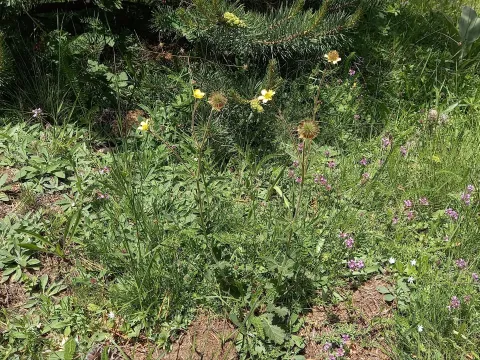
Geum molle
Geum molle
Sowing Geum molle is best done in spring once the soil warms up to 10–12 degrees Celsius, or in late autumn during October. Seeds have moderate germination rates, so stratification for a month significantly improves the emergence of seedlings.
What the section contains
Geum molle
When using a nursery method, seeds are sown in trays during March, providing bright light and moderate moisture until transplantation. Seedlings are moved to open ground in late May, allowing the plants to acclimate before the arrival of intense summer heat.
The spacing between individual plants should be at least 30–40 centimeters to ensure adequate air circulation. Excessive density often leads to the development of fungal infections and slows down the overall development of the plants.
As a perennial member of the Rosaceae family, Geum molle requires soil preparation before planting. Seeds should be sown at a depth of no more than 0.5–1 centimeter to ensure proper oxygen access for the germinating seeds.
In subsequent years, the crop reproduces successfully through self-seeding, which requires monitoring by the grower to prevent unwanted spread. Division of the rhizome is an alternative propagation method, ideally performed in early spring.
This crop prefers open, well-lit areas, although it can tolerate partial shade. In sunny locations, the flowering of Geum molle becomes more abundant and prolonged, with petal colors appearing much more vibrant.
Soil requirements focus on excellent drainage and a sufficient level of fertility. The plant does not tolerate stagnant water in the root system, which can lead to rapid rot and the eventual death of the entire plant.
The optimal pH level for this crop falls within the slightly acidic to neutral range. Amending the soil with organic matter such as compost or well-rotted manure significantly enhances the growth rate and winter hardiness.
The climate in temperate zones is well-suited for Geum molle due to its inherent frost resistance. It is recommended to provide mulch protection during the first winters after planting if extreme temperature drops occur without snow cover.
Regular watering is essential during the active growth and budding phase, although volume should be reduced in the second half of summer. Excessive moisture during heavy rainfalls may require shallow cultivation to maintain soil aeration.
The main threats to Geum molle are related to powdery mildew infections during periods of high humidity. Control measures involve using systemic fungicides and the timely removal of infected foliage to prevent spread.
Root rot is a dangerous condition resulting from improper irrigation practices. Prevention relies on improving the drainage properties of the growing medium and maintaining adequate spacing to facilitate airflow.
Pests such as leafrollers and aphids can damage young shoots during the early stages of the growing season. If insect activity is detected, an application of insecticides suitable for ornamental perennials should be performed.
Nematodes may occasionally attack the root system, stunting growth and reducing the plant's ornamental value. Affected specimens must be removed and destroyed to prevent the spread of the infestation to healthy plants.
Regular inspection of the foliage allows for the identification of potential threats at an early stage. Keeping the planting area free from weeds is crucial for minimizing the concentration of pathogens and pests around the crop.