
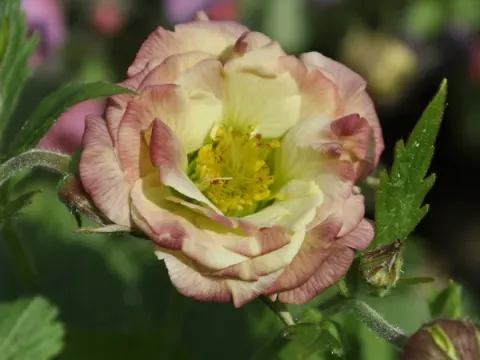
Geum hybrids
Geum hybrids
Sowing seeds of Geum hybrids is typically scheduled for early spring, around March or April, using trays or pots in a controlled greenhouse environment. Direct sowing into the garden soil can occur in late spring once the threat of frost has passed.
What the section contains
Geum hybrids
The seeds require a light, well-draining seed-starting mix to ensure successful germination. It is important to press the seeds onto the surface of the soil rather than burying them, as light is a critical factor for their activation.
Cold stratification for several weeks prior to sowing can significantly improve germination rates. Place the seed packets in a cool area or a refrigerator to mimic natural seasonal transitions.
Once the seedlings develop two or three sets of true leaves, they should be transplanted into individual pots to provide adequate room for root expansion. Proper spacing at this stage is essential for future plant vigor.
Transplanting into the permanent garden location is best done when the plants are robust. Maintain a distance of 30–40 cm between specimens to allow for the spread of the foliage rosettes and healthy airflow.
Geum hybrids belong to the Rosaceae family and thrive in sunny to partially shaded garden spots. They are appreciated for their long blooming season and bright, ruffled flower petals.
The ideal soil is fertile, humus-rich, and consistently moist but well-drained. Geums are susceptible to root rot if left in waterlogged conditions, so amending heavy soil with organic matter is highly recommended.
Consistent irrigation is vital during the growing season, particularly during hot summer dry spells. Mulching around the plants helps maintain soil moisture levels and protects roots from temperature spikes.
Feeding the plants with a balanced fertilizer in early spring supports the development of new leaves and vigorous flower stalks. Avoid excessive nitrogen applications, which might encourage foliage growth at the expense of blossoms.
Regular maintenance, including weeding and soil aeration, ensures that the roots receive sufficient oxygen. A clean garden bed reduces competition for nutrients and keeps the plants healthy throughout the year.
Geums can be affected by common pests such as aphids and spider mites, which feed on the sap of young leaves and flower stems. Early detection and the use of insecticidal soap are usually effective control methods.
Fungal diseases like powdery mildew are common in environments with poor air circulation and high humidity. Spacing the plants correctly and watering at the base rather than over the leaves can mitigate this risk.
Root rot is a major threat caused by poor soil drainage. If a plant appears stunted or starts wilting despite sufficient watering, the root system should be inspected, and any decaying parts removed.
Rust, characterized by brown or orange spots on the underside of the foliage, may occur during wet seasons. Applying a copper-based fungicide can prevent the spread of the disease to neighboring plants.
Sanitation is key to disease prevention. Removing dead foliage in the autumn and clearing away debris from around the base of the plant minimizes the overwintering sites for various garden pathogens.
The primary use of Geum hybrids is ornamental, as they are popular choices for borders, rock gardens, and cottage-style plantings. Their sturdy stems make them excellent candidates for cut flower arrangements.
Deadheading faded blooms is a crucial maintenance task for Geum hybrids. By removing spent flower stalks, you prevent the plant from putting energy into seed production and encourage secondary flushes of color.
In late autumn, cut back the foliage to the crown of the plant. This practice cleans up the garden bed and prepares the perennial for winter dormancy, protecting the central rootstock.
In colder climates, apply a layer of mulch or protective covers to shield the roots from extreme freezing temperatures. This ensures the plants emerge healthy and vigorous when spring arrives.
Every 3 to 4 years, it is beneficial to lift and divide established clumps. This rejuvenation process prevents the center of the plant from dying out and ensures continued productivity in the garden.