
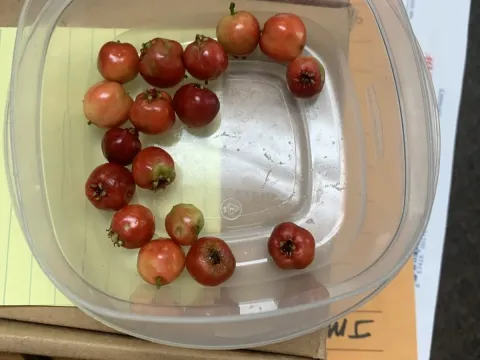
Opaque hawthorn
Crataegus opaca
The propagation of Crataegus opaca is primarily achieved through seeds or vegetative methods such as grafting onto hardy rootstocks. Seeds exhibit deep dormancy, requiring a stratification period of 4 to 6 months at low temperatures before germination can occur.
What the section contains
Opaque hawthorn
The ideal time for seed sowing is during the autumn, which allows for natural cold stratification in the soil during winter. Spring sowing may result in delayed germination, with seedlings often emerging only in the second growing season.
Vegetative propagation is performed via cuttings or budding during the growing season. Maintaining consistent soil moisture is crucial for the development of a healthy root system in young plants before the onset of winter frost.
Site selection is critical, as this species prefers locations with ample sunlight. Exposure to direct light ensures better canopy development and promotes vigorous growth, while shady areas can lead to sparse foliage and lower yields.
Young plants require regular irrigation during their first two years until the root system is well-established. Once matured, the Opaque hawthorn demonstrates significant drought tolerance and requires minimal water supplementation.
Opaque hawthorn is a member of the Rosaceae family and is highly adaptable to various soil types. It performs best in fertile, well-drained loamy soils with a neutral or slightly alkaline pH level to ensure optimal nutrient uptake.
The species is noted for its high cold hardiness, which is typical for plants originating from temperate zones of North America. It can withstand significant temperature fluctuations and late spring frosts without compromising its biological integrity.
Moderate moisture is essential, but waterlogging in the root zone must be avoided. Good soil drainage is a fundamental requirement to prevent root rot and other moisture-related diseases that can afflict the shrub.
Agrotechnical care includes annual pruning to manage the crown structure. Removing dead, diseased, or crossing branches improves air circulation within the plant, which is vital for preventing fungal outbreaks.
Fertilization should be applied in early spring and late autumn. A balanced organic-mineral fertilizer provides the necessary macro- and micronutrients required for sustained growth, flowering, and fruit set.
Yield productivity is contingent upon the plant's age and the quality of agricultural care provided. Opaque hawthorn typically begins producing a significant harvest between 5 and 7 years after planting, with yields increasing as the shrub matures.
The fruits are spherical drupes that feature a unique flavor profile and a high concentration of bioactive compounds. Harvesting is performed when the fruit reaches full biological maturity, indicated by its characteristic deep color.
The fruit has significant economic value, being widely used in the food industry for jellies, jams, and medicinal preparations. It is particularly valued for its traditional use in supporting cardiovascular health.
Proper crown management through regular pruning is necessary to maintain high yields over time. Ensuring sunlight reaches the interior parts of the shrub prevents fruit drop and promotes more uniform ripening across the canopy.
Efficient handling of the harvest requires ventilated containers to prevent spoilage. Quick transport to processing facilities or storage is essential to maintain the quality and fresh state of the harvested drupes.
The primary pathological threats include fungal diseases such as powdery mildew and various leaf spot infections. Early detection and the application of broad-spectrum fungicides are recommended to protect the crop.
Pests, particularly hawthorn aphids and various leaf-rollers, can cause significant damage to the foliage. Defoliation reduces the plant's photosynthetic capacity, which indirectly negatively impacts the quality and quantity of the harvest.
Prevention starts with good orchard hygiene, such as clearing debris and fallen leaves where pathogens and pests hibernate. Maintaining a clean area under the shrub is a cornerstone of integrated pest management.
High humidity conditions may lead to fruit rot, necessitating the removal of mummified fruits from branches and the ground. Prompt removal of infected parts stops the spread of spores to healthy plant tissue.
Utilizing biological control agents and pheromone traps offers an effective way to manage pest populations while minimizing chemical residue on the fruits, ensuring a higher quality product for industrial processing.
Hand-harvesting is the preferred method for Opaque hawthorn to ensure the fruit remains intact and undamaged. Proper care prevents skin ruptures, which significantly increases the shelf life and quality of the raw material.
Optimal harvest time is determined by the fruit's color and its ease of detachment from the pedicel. Prematurely harvested fruits lack flavor complexity and are generally unsuitable for high-quality processing or long-term storage.
In commercial operations, specialized tools may be used to speed up the collection process, though caution is required due to the presence of sharp thorns on the branches. Protective gear for workers is standard practice.
Post-harvest, the berries must be sorted and cleared of twigs and debris. Efficient sorting is essential to separate fruit based on final application, whether it is for dried product manufacturing or immediate juicing.
Storage should take place in cool, dry, and well-ventilated facilities. If the berries are not immediately processed, they should be flash-frozen or dehydrated to preserve their nutritional integrity and commercial value.