
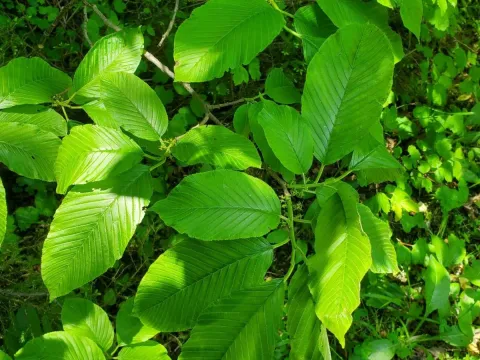
Imeretian buckthorn
Rhamnus imeretina
Propagation of Imeretian buckthorn is primarily conducted through generative methods by using seeds. Sowing should take place in the autumn to allow seeds to undergo natural stratification, which significantly improves germination rates during the spring season.
What the section contains
Imeretian buckthorn
If spring planting is planned, seeds must be artificially stratified under cool temperature conditions for at least two to three months. The optimal depth for seed placement in the soil is approximately two to three centimeters.
Vegetative propagation via softwood or hardwood cuttings is another viable method for crop establishment. Cuttings are placed in a prepared growing medium with the addition of rooting hormones to ensure successful root development.
Transplanting seedlings to their final location is recommended at the age of two to three years. Proper spacing of approximately two meters between plants is essential to provide adequate room for canopy development and sunlight penetration.
As a member of the Rhamnaceae family, this perennial shrub requires careful establishment to ensure long-term health and consistent biomass production for pharmacological applications.
Imeretian buckthorn thrives in well-lit locations with fertile, loamy, or sandy soils. It requires a neutral or slightly acidic soil pH to facilitate nutrient uptake and support healthy growth of the root system.
The plant has a high demand for soil moisture, necessitating regular irrigation, especially during dry summer periods. However, soil drainage is paramount, as waterlogged conditions can lead to root rot and inhibit plant vigor.
Optimal growth occurs within a temperature range of 18–25 degrees Celsius. While generally hardy, young plants might require protection in regions experiencing harsh winters, often achieved by mulching the root zone with organic matter.
Regular maintenance, including soil aeration and weed control, is vital for the plant's development. Applying organic fertilizers in early spring helps boost vegetative growth and improves the overall quality of the leaves and fruit.
Native to the Caucasus region, specifically Imereti, this species adapts well to similar climatic conditions when given proper care. Understanding its environmental preferences is key to a successful commercial harvest.
Aphids are among the primary pests that affect Imeretian buckthorn, often attacking young leaves and tender shoots. Integrated pest management, including systemic insecticides or biological controls, is recommended to manage infestations.
Fungal diseases, such as powdery mildew, may occur if the plant is grown in conditions with poor air circulation and high humidity. Pruning to maintain an open canopy is an effective preventive measure against such infections.
Root rot caused by improper watering and poor soil drainage can be a significant threat. Ensuring that the site is well-drained and avoiding over-irrigation are critical steps in preventing these soil-borne pathogens.
Routine inspection for signs of disease, such as discoloration or wilting, is necessary throughout the growing season. Early detection and application of appropriate fungicides can effectively mitigate losses in the crop.
The plant displays good general resistance if grown under optimal conditions, but farmers should stay vigilant during wet, humid weather to prevent common diseases from spreading across the plot.
The harvesting process for Imeretian buckthorn focuses on bark and fruit, which are valued for their medical properties. Bark should be harvested during early spring when the sap begins to flow and bark separation is easier.
Fruit collection occurs once the berries have fully ripened and attained their characteristic deep color. Harvesting should be performed during dry weather to minimize moisture content and improve storage quality.
Drying the harvested material is a critical step; it should be done in well-ventilated areas or specialized drying chambers at temperatures not exceeding 50 degrees Celsius to preserve active components.
Dried product should be stored in paper or cloth bags in a cool, dark, and dry environment to prevent mold growth and pest contamination. Periodic checks of stored inventory are recommended for long-term quality maintenance.
Proper post-harvest handling ensures that the medicinal raw materials meet industry standards, making the cultivation of Imeretian buckthorn an economically viable venture for specialized farms.