
Frangula
Frangula
Frangula alnus, commonly known as alder buckthorn, is a deciduous shrub belonging to the Rhamnaceae family. Native to Europe and parts of Asia, this plant naturally thrives in wet woodlands, along riverbanks, and in marshy areas, demonstrating high adaptability to damp soil conditions.
What the section contains


Frangula
When cultivated, Frangula prefers moist, slightly acidic to neutral soils. It is remarkably shade-tolerant, making it an excellent choice for understory planting, although it produces a higher concentration of active compounds when exposed to adequate light levels.
The plant is highly winter-hardy, capable of surviving harsh climates, which makes it suitable for extensive cultivation in various temperate zones. Proper site selection should avoid waterlogged soils that might hinder root development, despite the plant's preference for moisture.
Agrotechnical practices involve minimal maintenance. Regular weeding during the establishment phase and the application of organic mulch around the base help retain moisture and support vigorous growth of young stems.
Economically, Frangula is highly valued for its bark, which contains anthraquinone glycosides. These compounds have been utilized for centuries in the pharmaceutical industry to manufacture mild laxatives and digestive aids.
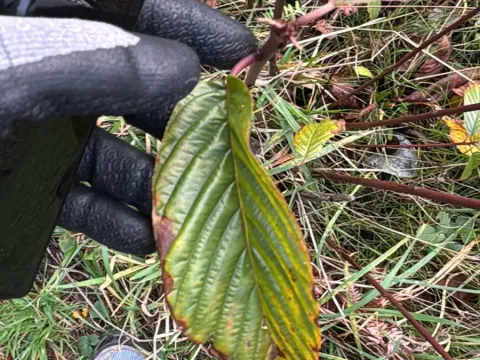
The plant is generally robust, but it can be susceptible to rust diseases (Puccinia coronata), which appear as orange-brown pustules on leaves. This condition is most prevalent in areas with high humidity and poor air circulation.
Insect pests, such as leaf beetles and certain lepidopteran larvae, may occasionally feed on the foliage. While these rarely kill the plant, severe infestations can reduce overall biomass and vigor during the growing season.
Management of these threats focuses on cultural practices, such as ensuring adequate spacing between plants to improve airflow. Sanitation, including the removal and destruction of infected branches, is essential to prevent disease spread.
Chemical control should be used sparingly and only if necessary, prioritizing biological agents to maintain the quality of the harvested medicinal bark. Monitoring should be most intensive during spring and early summer.
Maintaining plant health through proper soil fertility and avoiding moisture stress is the best prevention against opportunistic pests and pathogens that thrive on weakened individuals.
Harvesting Frangula bark is a precision task typically carried out in early spring, just as the sap begins to flow. During this stage, the cambium layer is active, allowing the bark to be stripped from the stems with minimal effort.
The collection process involves stripping the bark from young branches and stems. Great care must be taken not to damage the underlying wood, as this ensures the plant remains healthy and can continue to produce secondary growth for future harvests.
Freshly harvested bark is considered toxic and must not be consumed immediately, as it contains components that cause nausea and vomiting. It is rendered safe for medical use either by aging it for at least one year or by heating it at 100°C.
Once processed, the bark must be dried thoroughly in a well-ventilated area protected from direct sunlight. Proper drying preserves the pharmacological integrity of the anthraquinone compounds required for high-quality herbal products.
Storage requires cool, dry conditions with low humidity. Properly packed, dried bark has a long shelf life, allowing it to be effectively utilized in pharmaceutical applications or for herbal medicine production throughout the year.