
Karwinskia
Karwinskia
Karwinskia is a genus of flowering plants belonging to the Rhamnaceae family. These shrubs and small trees are native to arid and semi-arid regions of the Americas, particularly Mexico, where they form a stable component of the local xerophytic vegetation.
What the section contains

Karwinskia
The plant thrives in well-drained, sandy, or rocky soils, demonstrating a high tolerance for nutrient-poor substrates. Its root system is exceptionally efficient at capturing moisture in environments where rainfall is infrequent and erratic, allowing the plant to persist throughout the year.
Environmental requirements prioritize high solar radiation and warm temperatures. Karwinskia is not frost-tolerant, which limits its natural distribution to subtropical zones. It does not require intensive fertilization, as it is adapted to survive under natural desert conditions.
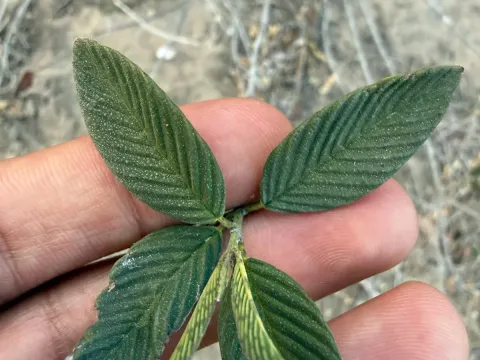
Botanically, these plants are identified by their alternate leaves and small, inconspicuous flowers typical of the buckthorn family. The fruits are drupes that change color as they mature, but they are notorious for containing dangerous toxins that pose a significant risk to mammals.
There is no commercial agricultural cultivation of Karwinskia due to the lethal nature of its chemical compounds. Any interaction with these plants is strictly controlled in research environments, as there are no safe agricultural techniques for harvest or post-harvest processing of its toxic fruits.
The primary threats include root rot triggered by waterlogged conditions and infestations by specific sap-sucking insects. Despite its toughness, the plant is vulnerable to environmental stressors that degrade the soil structure, potentially leading to increased susceptibility to opportunistic fungal pathogens.