
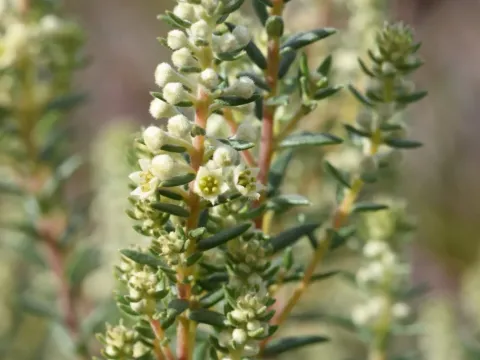
Phylica axillaris
Phylica axillaris
Phylica axillaris is an evergreen shrub belonging to the Rhamnaceae family. Originating from the fynbos regions of South Africa, this plant has adapted to harsh, nutrient-poor, and well-draining soil conditions, which should be replicated in a garden or greenhouse environment.
What the section contains
Phylica axillaris
Botanically, it is recognized for its dense, needle-like foliage that gives it a heath-like appearance. It grows into a compact, bushy form, making it an attractive subject for container gardening in temperate zones where winters are too harsh for outdoor year-round cultivation.
Soil requirements are strict: the medium must be acidic, extremely well-drained, and aerated. Standard potting mixes often need to be amended with grit, sand, or perlite to avoid waterlogging, which is the primary cause of root failure in this specific species.
Climate preferences for Phylica axillaris include mild temperatures and high levels of sunlight. While it appreciates a Mediterranean-like climate, it must be protected from frost. In colder regions, bringing the plant into a cool, well-ventilated, frost-free conservatory is essential for survival.
Cultural practices include consistent watering with lime-free water. Avoiding water stagnation is critical for maintaining healthy root hair development. In the active growing season, liquid fertilizer specifically formulated for ericaceous plants can be applied sparingly to support healthy foliage production.
The most common threat to Phylica axillaris is root rot caused by Phytophthora or Pythium species, usually triggered by poor drainage or excessive soil moisture. Once root decay begins, it is often irreversible, so prevention via proper substrate management is key.
Spider mites represent a major pest risk, especially when the plant is kept in dry, heated environments during the winter. Regular inspection of the undersides of the leaves and maintaining adequate humidity are effective preventative measures against mite infestations.
Scale insects can also pose a problem, often hiding in the dense leaf axils, which makes them difficult to treat with contact insecticides. Systematic manual removal combined with horticultural oil treatments is often the safest and most effective management strategy.
Powdery mildew may occur if the plant is placed in a stagnant, humid area with poor air circulation. Providing a gentle breeze or ensuring adequate spacing between plants significantly reduces the risk of fungal outbreaks within a greenhouse or display area.
Nutrient toxicity, particularly from hard water accumulation, can lead to tip burn. Ensuring that the pot has proper drainage holes and occasionally flushing the soil with soft water helps maintain a healthy chemical balance in the root zone.