
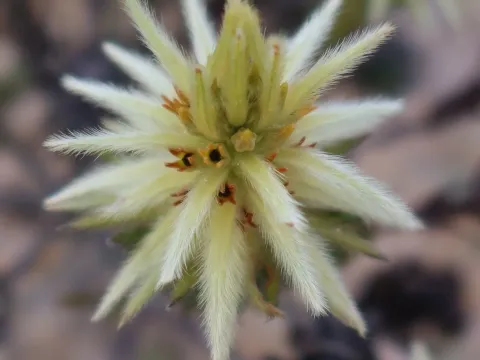
Phylica plumosa
Phylica plumosa
Propagation of Phylica plumosa is primarily achieved through seeds or semi-hardwood cuttings in controlled greenhouse environments. Seeds are sown in well-draining, sandy compost in late winter.
What the section contains
Phylica plumosa
To ensure successful germination, the temperature should be maintained between 18 and 22 degrees Celsius. Constant moisture is required, but it is critical to avoid waterlogging the soil.
Cuttings should be taken during the summer months from healthy, non-flowering shoots. Utilizing rooting hormones is highly recommended to improve the success rate of propagation.
Once seedlings have developed a few sets of true leaves, they should be transplanted into individual pots. Using a specialized acidic substrate promotes healthy root development.
Hardening off young plants before moving them to their permanent location is essential for building resistance to environmental fluctuations and stress.
Phylica plumosa belongs to the Rhamnaceae family and originates from South Africa. It thrives in locations that offer bright, indirect sunlight and excellent ventilation.
The ideal soil is acidic, gritty, and exceptionally well-draining. Heavy, nutrient-dense soils can inhibit growth and promote root diseases, so adding pumice or sand is advisable.
The climate requirements for this plant are strict; it is not frost-tolerant. In temperate regions, it is best grown in containers, allowing for indoor winter storage in cool, frost-free conditions.
Watering must be disciplined; while the plant requires consistent moisture during the growing season, it must be significantly reduced during the dormant winter months.
Feeding should be carried out using fertilizers designed for acid-loving shrubs. Avoiding excess nitrogen is key to maintaining a sturdy, compact plant structure.
The commercial value of Phylica plumosa lies in its use as a premium filler in the floral industry. Its distinct, fluffy flower heads are highly valued for their unique texture.
Yield is maximized through meticulous pruning techniques. Removing spent flowers and thinning out dense branches after the blooming season encourages vigorous growth for the next year.
Commercial producers focus on stem quality, characterized by straightness and uniform coverage of the feathery inflorescences. Controlling the growing environment helps achieve these targets.
Hydroponic systems or specialized substrates allow for efficient nutrient management, resulting in a consistent harvest and higher plant longevity in a professional greenhouse setting.
The plant remains a niche but profitable crop, as its exotic appearance fits current trends in structural and long-lasting floral arrangements.
Root rot is the most significant threat to Phylica plumosa, typically caused by poor soil drainage and overwatering. Early detection is difficult, so prevention is vital.
Spider mites are common pests that thrive in low-humidity environments. They can quickly damage leaves and reduce the plant's overall vigor if left untreated.
Scale insects can also infest the stems, requiring manual removal or systemic insecticides to protect the plant's health and appearance.
Good hygiene practices, such as sterilizing pruning tools and maintaining adequate airflow, are the best defenses against both fungal pathogens and pest infestations.
Regular monitoring of the foliage and root zone allows for early intervention, ensuring the plant stays healthy throughout the productive season.
Harvesting should occur when the inflorescences are fully developed and exhibit their signature feathery texture. Using sanitized, sharp shears is necessary for clean cuts.
Stems must be placed in water immediately after cutting to prevent rapid dehydration. Adding commercial flower food can help extend the vase life of the stems significantly.
Careful handling is required during sorting and packaging to avoid bruising the delicate flower heads, which can negatively impact the product's market value.
Standardizing the harvest by stem length and floral maturity ensures that the product meets the specifications required for high-end wholesale floral markets.
Proper storage in a cool environment, away from direct sunlight, ensures that Phylica plumosa remains a high-quality component for floral designers even after transport.