
Noltea
Noltea
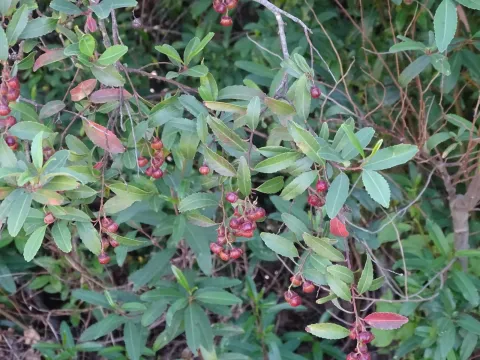
Noltea is a genus of evergreen shrubs belonging to the Buckthorn family (Rhamnaceae). The only species, Noltea africana, is commonly known as the soap bush due to the high saponin content in its leaves, which creates a lather when rubbed in water.
What the section contains

Noltea
Native to South Africa, the plant naturally occurs in forest margins, along riverbanks, and in mountain ravines. It thrives in temperate regions, reflecting its preference for moist, sheltered environments rather than arid or extremely cold conditions.
Cultivation requires well-drained, nutrient-rich soil that mimics the forest floor. Noltea adapts well to partial shade, making it a versatile choice for garden corners where direct sunlight might be too intense during peak summer months.
Consistent moisture is a prerequisite for maintaining the plant's health and lush foliage. While established shrubs can withstand short dry spells, they perform best when watered regularly to prevent root stress and subsequent foliage drop.
Beyond its ornamental value in landscaping, historical uses include the application of crushed leaves as a natural cleanser. Today, it is primarily valued for its dense growth habit, making it an excellent candidate for decorative hedges.
Noltea is generally robust, but it is susceptible to root rot if grown in heavy, waterlogged soil. Proper drainage and aeration of the soil are the most effective preventive measures against fungal pathogens affecting the roots.
Insect pests such as aphids and scale insects may occasionally infest the tender new growth. Regular monitoring and the application of mild horticultural oils or insecticidal soaps can manage these populations without damaging the plant.
Frost sensitivity is the primary environmental threat to this species. In regions prone to freezing temperatures, container cultivation is highly recommended to allow the plant to be moved indoors during the winter months.
Nutrient deficiencies, specifically chlorosis, can occur if the soil pH is improperly balanced. Periodic testing and fertilization with essential trace elements ensure the shrub maintains its deep green leaf color and vigor.
Pruning is essential for maintaining plant vitality and structural integrity. By removing dead or crossing branches, the gardener improves airflow through the foliage, significantly reducing the habitat for potential pests and diseases.