
Phylica
Phylica L.
Phylica (Phylica L.) is a diverse genus of evergreen shrubs and small trees belonging to the Rhamnaceae family. The vast majority of these species are native to South Africa, with some restricted to the islands of the South Atlantic. These plants are well-known for their drought-resistant properties and their unique, often woolly or hairy foliage.
What the section contains
Phylica
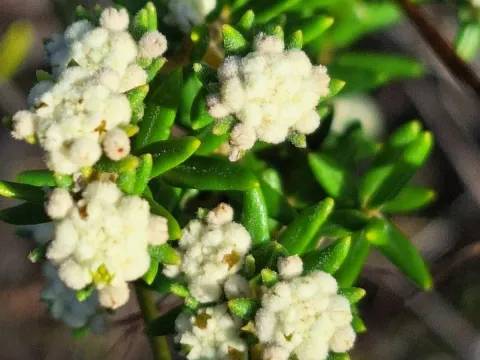
The botanical structure of Phylica is characterized by small, dense leaves and tiny flowers clustered into heads. These inflorescences are often surrounded by bracts, which provide the plant with its distinct, often colorful or silver-gray appearance. This structural adaptation allows the plant to thrive in harsh, wind-exposed, and dry environments.
Optimal growth requires full sun exposure and well-draining, nutrient-poor soil. When grown in containers, it is essential to use a mix composed mainly of sand or specialized porous materials to replicate its natural habitat. The plant is not frost-hardy and should be kept in protected environments if temperatures drop below freezing.
Cultivation practices emphasize the "dry-to-water" cycle. Overwatering is the most common mistake, as the root system of Phylica is highly susceptible to rot. Fertilization should be kept to a minimum, as these plants have adapted to flourish in soils that are naturally lacking in high concentrations of organic nutrients.
In terms of economic use, Phylica is highly prized in the cut flower industry. Species like Phylica plumosa are favored by florists for their unique texture and longevity as both fresh and dried components in decorative floral arrangements. Their ability to maintain shape and color makes them a sought-after material for interior design.
The primary threats to Phylica are fungal pathogens, specifically root rot, which occurs due to stagnant water in the root zone. Ensuring good air circulation and using coarse, free-draining media is the best preventative measure against these diseases. Once rot takes hold, the plant rarely recovers.
Common pests include spider mites and mealybugs, which thrive in the warm, dry conditions preferred by the plant. These pests are particularly difficult to manage due to the dense pubescence on the leaves. Integrated pest management, involving regular inspection and the use of appropriate horticultural oils or systemic insecticides, is required to maintain plant health.