
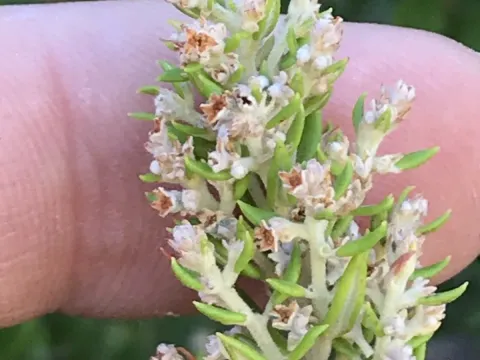
Phylica paniculata
Phylica paniculata
Phylica paniculata is a distinctive member of the Rhamnaceae family. This evergreen shrub is typically propagated through seed germination or stem cuttings within controlled nursery environments.
What the section contains
Phylica paniculata
Seeds should be sown in late winter or early spring in a well-draining, sandy-based substrate. Maintaining a steady temperature between 18 and 22 degrees Celsius is crucial for effective germination.
Semi-hardwood cuttings are preferred for vegetative propagation, usually taken during the summer months. Using rooting hormones and a high-humidity environment helps ensure successful root development.
The potting medium must be sterile and have a slightly acidic pH level. High fertility in the soil should be avoided, as this species has adapted to nutrient-poor soils in its native habitat.
Once seedlings have reached sufficient size, they are typically moved into containers. Proper spacing is essential to ensure adequate airflow around each individual plant.
Originating from South Africa, Phylica paniculata requires high levels of solar radiation to maintain its structural integrity and health. Shade-grown plants often become spindly and lose their aesthetic value.
This species is highly sensitive to cold and does not tolerate freezing temperatures. In temperate zones, it must be grown in greenhouses or sunrooms where climate parameters can be strictly regulated.
Well-draining, aerated soil is the most important requirement for successful cultivation. The plant's root system is susceptible to decay if exposed to waterlogged conditions or heavy, clay-based soils.
Watering practices should follow a "soak and dry" cycle, allowing the soil to dry out significantly between sessions. Over-irrigation is the most common cause of plant failure in professional setups.
Phylica paniculata is naturally drought-tolerant once established, but it still benefits from moderate humidity levels during the peak growing season to support its lush appearance.
The most significant threats to Phylica paniculata are fungal pathogens, specifically those affecting the roots, such as Phytophthora and Pythium, usually brought on by poor drainage.
Pests such as mealybugs and spider mites can occasionally affect the foliage, especially in confined greenhouse environments with low air circulation.
Regular inspection of the leaf axils and the underside of the leaves is recommended to detect and treat pest infestations early before they spread throughout the nursery crop.
Improving ventilation and ensuring the substrate is not excessively moist are the best preventative measures against common foliage diseases and root rot.
In cases of severe infestation, the use of targeted horticultural soaps or mild systemic insecticides may be necessary, provided they are safe for ornamental use.
The primary commercial value of Phylica paniculata lies in its unique inflorescences, which are highly prized by the floral industry for both fresh and dried arrangements.
Harvesting is performed by clipping stems at the desired length when the flowers reach their peak aesthetic state. Using sterilized, sharp shears is important to avoid damaging the main shrub structure.
For dried arrangements, the harvested stems are bundled and hung upside down in a cool, dark, and well-ventilated room to prevent color fading and mildew growth.
Properly processed flowers retain their structure and color for a long period, making them an excellent candidate for upscale floristry and decorative installations.
Strategic harvesting serves as a form of pruning, which helps maintain the desired shape of the shrub and promotes more vigorous, denser growth in the subsequent flowering season.