
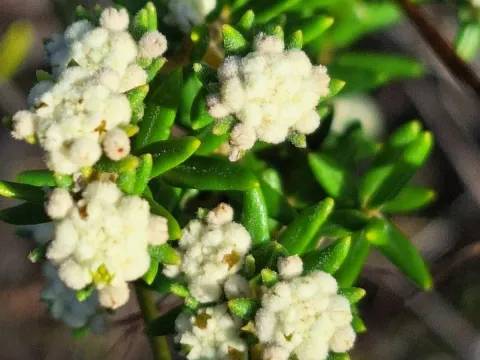
Phylica lasiocarpa
Phylica lasiocarpa
Propagation of Phylica lasiocarpa is primarily achieved through seeds or semi-hardwood cuttings. Seeds require a period of stratification to break dormancy and ensure a successful germination rate.
What the section contains
Phylica lasiocarpa
For seed sowing, use a lightweight, well-draining substrate composed of sand and peat. Maintain a steady temperature between 18 and 20 degrees Celsius to encourage healthy seedling development.
Cuttings should be taken in late summer when the wood is firm but not fully hardened. Applying rooting hormones can significantly increase the success rate of propagation during this period.
Seedlings develop slowly, requiring consistent attention to moisture levels during the first few months. Avoid direct sunlight during the initial growth stage to prevent the scorching of delicate foliage.
Once the root system is well-established, transplant the young shrubs into larger containers or permanent locations, ensuring the soil structure remains airy and nutrient-rich.
Belonging to the Rhamnaceae family, Phylica lasiocarpa thrives in specific environmental conditions that mimic its natural habitat. It prefers sunny locations with protection from strong, drying winds.
The soil must be slightly acidic or neutral, featuring excellent permeability. High-quality drainage is the most critical requirement, as the roots are highly susceptible to rot if water stagnates.
Moderate temperatures are ideal for this species. While it is hardy in many respects, it does not tolerate extreme heat combined with high humidity, which can lead to rapid fungal proliferation.
Watering should be frequent but balanced. The soil should remain moist to the touch but never saturated. Always allow the top layer of the substrate to dry out slightly before the next irrigation cycle.
Fertilization should be applied sparingly, preferably during the spring growing season. Use balanced, water-soluble fertilizers tailored for woody ornamentals to support steady vegetative growth.
Fungal infections, particularly root rot, pose the greatest threat to Phylica lasiocarpa. These conditions are almost always exacerbated by poor drainage and excessive moisture levels in the substrate.
Common pests include spider mites and scale insects, which often target the plant in dry, indoor, or greenhouse conditions. These pests suck nutrients from the foliage, leading to yellowing and stunted growth.
Integrated pest management, including regular inspection and the use of targeted systemic insecticides, is recommended to keep pest populations under control during the growing season.
Proactive care involves ensuring adequate spacing between plants to facilitate air circulation, which helps prevent the development of powdery mildew and other moisture-related diseases.
If lesions or spots appear on the leaves, apply a broad-spectrum fungicide immediately. Early detection is crucial to preventing the systemic spread of the pathogen throughout the shrub.
Phylica lasiocarpa is valued primarily for its ornamental qualities in landscaping and as a cut flower in professional floral arrangements. Its unique texture makes it a desirable addition to bouquets.
Harvesting for floral use should occur during the morning when the plant has optimal turgidity. Cut the stems at an angle to maximize water uptake once they are placed in a vase.
To ensure longevity, change the water in the vase frequently and trim the stem ends every few days. Keep cut flowers out of direct sunlight and away from drafty areas.
Pruning is essential for maintaining the shape of the shrub. After the flowering period, remove spent inflorescences to promote denser growth and better structural integrity in the following year.
Collect seeds when the capsules begin to dry on the plant. Store the collected seeds in a cool, dry place to maintain viability until the next sowing season begins.