
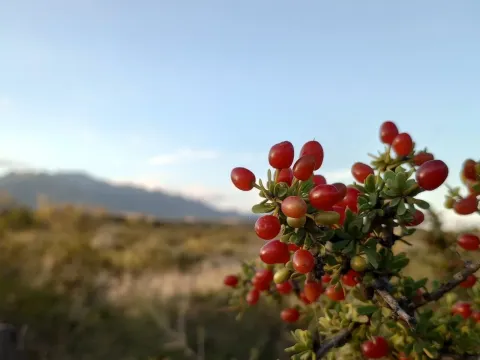
Microrhamnus
Microrhamnus
Microrhamnus is a genus of woody shrubs belonging to the Rhamnaceae family. This plant is evolutionarily adapted to specific growth environments, which determines its restricted distribution and significant biological resilience.
What the section contains

Microrhamnus
In natural habitats, the range of Microrhamnus covers arid and semi-desert regions, primarily in North America. The plant demonstrates high tolerance to extreme temperatures characteristic of semi-arid continental climates.
Botanically, the culture is a highly branched shrub with a distinct xerophytic structure of leaves and stems. These physiological adaptations allow the plant to conserve moisture effectively even during long periods of soil and atmospheric drought.
Soil preferences for Microrhamnus include poor, well-drained soils with low organic content. The plant thrives on stony or sandy substrates where competition from grasses is minimized.
The economic value of Microrhamnus in agriculture is limited and is primarily associated with land reclamation and the establishment of shelterbelts in arid zones. The plant strengthens soil through its complex root system and provides habitat for local wildlife.
The primary threats to Microrhamnus populations are fungal infections occurring when root aeration is compromised. Excessive moisture stagnation in the root zone frequently leads to the development of root rots.
Among pests, specific types of mites and sap-sucking insects are most common. They damage the leaf structure, thereby reducing the overall photosynthetic capacity of the plant during the growing season.